

Pack a layered sun-safety system before you leave the driveway: shade, UPF 50+ clothing, wide-brim hats, UV-blocking sunglasses, and broad-spectrum sunscreen applied 30 minutes before sun exposure, and reapplied every two hours. That single sentence covers family camping sun safety in full. Everything below shows you exactly how to execute it.
Before you leave or on arrival, do these five things:
- Apply broad-spectrum sunscreen to all exposed skin 30 minutes before heading out.
- Dress every child in UPF 50+ clothing and a wide-brim hat.
- Pack UV-blocking sunglasses for each child.
- Identify or create a shaded activity zone at the campsite.
- Fill water bottles and set a reminder to drink every 20–30 minutes.
Key Takeaways
Consistent family camping sun safety requires physical protections first — shade, UPF clothing, and wide-brim hats — with broad-spectrum SPF 30+ sunscreen applied 30 minutes before exposure and reapplied every two hours.
| Point | Details |
|---|---|
| Layer physical protections first | Shade, UPF 50+ clothing, and wide-brim hats block UV without reapplication. |
| Sunscreen is additive, not primary | Apply SPF 30+ broad-spectrum 30 minutes before sun exposure; reapply every two hours or after swimming. |
| Infants under 6 months need shade | Keep babies out of direct sun; use clothing and shade rather than sunscreen as the main strategy. |
| Peak UV hours are 10 a.m. to 4 p.m. | Schedule active outdoor play before 10 a.m. or after 4 p.m. to reduce total UV dose. |
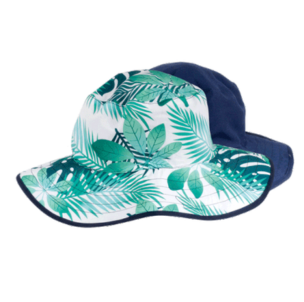
| BANZ UPF 50+ hats add reliable coverage | BANZ hats with toggle or pocket keep protection secure and accessible across a full camping day. |
Table of Contents
- How does camping change UV risk compared to a backyard outing?
- What does a layered sun-safety plan look like at camp?
- How do you prevent heat illness during a sunny camping day?
- How do you get kids to actually follow sun-safety rules at camp?
- How should you set up your campsite to reduce UV exposure?
- What sun-safety gear should you pack for a family camping trip?
- When should you call a doctor or 911 for sunburn or heat illness?
- How BANZ products fit into your camping sun-safety plan
- What one campsite adjustment made sun safety actually work
- BANZ sun hats and UPF gear, ready for your next camping trip
- Sources
How does camping change UV risk compared to a backyard outing?
A camping day is not a longer version of a backyard afternoon. Several campsite-specific factors push UV exposure well above what most parents expect.
Reflective surfaces are the biggest surprise. Water, sand, and even light-colored tent fabrics bounce UV rays back up at your children from below, adding to the direct overhead dose. The CDC confirms that reflective surfaces increase exposure and that UV rays are strongest between 10 a.m. and 4 p.m. Open meadows and lakesides offer almost no natural shade during those hours. At higher altitudes, UV intensity rises further because there is less atmosphere to filter it.
Camping days also tend to run long. A typical family camping day starts at sunrise and rarely ends before dusk, meaning children accumulate UV exposure across many more hours than a two-hour park visit.
A large share of lifetime UV exposure occurs during childhood and adolescence. Healthychildren notes that protecting children early matters for lifetime skin-cancer risk reduction — making every camping trip a meaningful opportunity to build good habits.
Pro Tip: When you arrive at a campsite, walk the perimeter and note where natural shade falls between 10 a.m. and 2 p.m. Plan your main activities — meals, crafts, rest — in that zone, and save water play or open-field games for before 10 a.m. or after 4 p.m.
What does a layered sun-safety plan look like at camp?
The American Academy of Pediatrics is clear: sunscreen is one component of a layered defense, not the whole plan. Physical protections come first; sunscreen fills the gaps.
Shade
Shade is your first line of defense. Natural tree cover, a pop-up canopy, or a shade tarp over the picnic table all reduce UV dose before any product touches skin. Clouds do not eliminate exposure, so shade matters even on overcast days.
UPF clothing
UPF 50+ clothing blocks approximately 98% of UV radiation and requires no reapplication. Long-sleeve rash guards, UPF swim shirts, and lightweight UPF pants are the most practical choices for camping because they work whether a child is sweating, swimming, or running. Regular cotton T-shirts offer minimal protection, especially when wet.
Hats
A hat with a full brim of at least 3 inches protects the face, ears, and back of the neck — areas sunscreen misses most often. For toddlers and active kids, a chin strap or toggle keeps the hat on during play.
Sunglasses
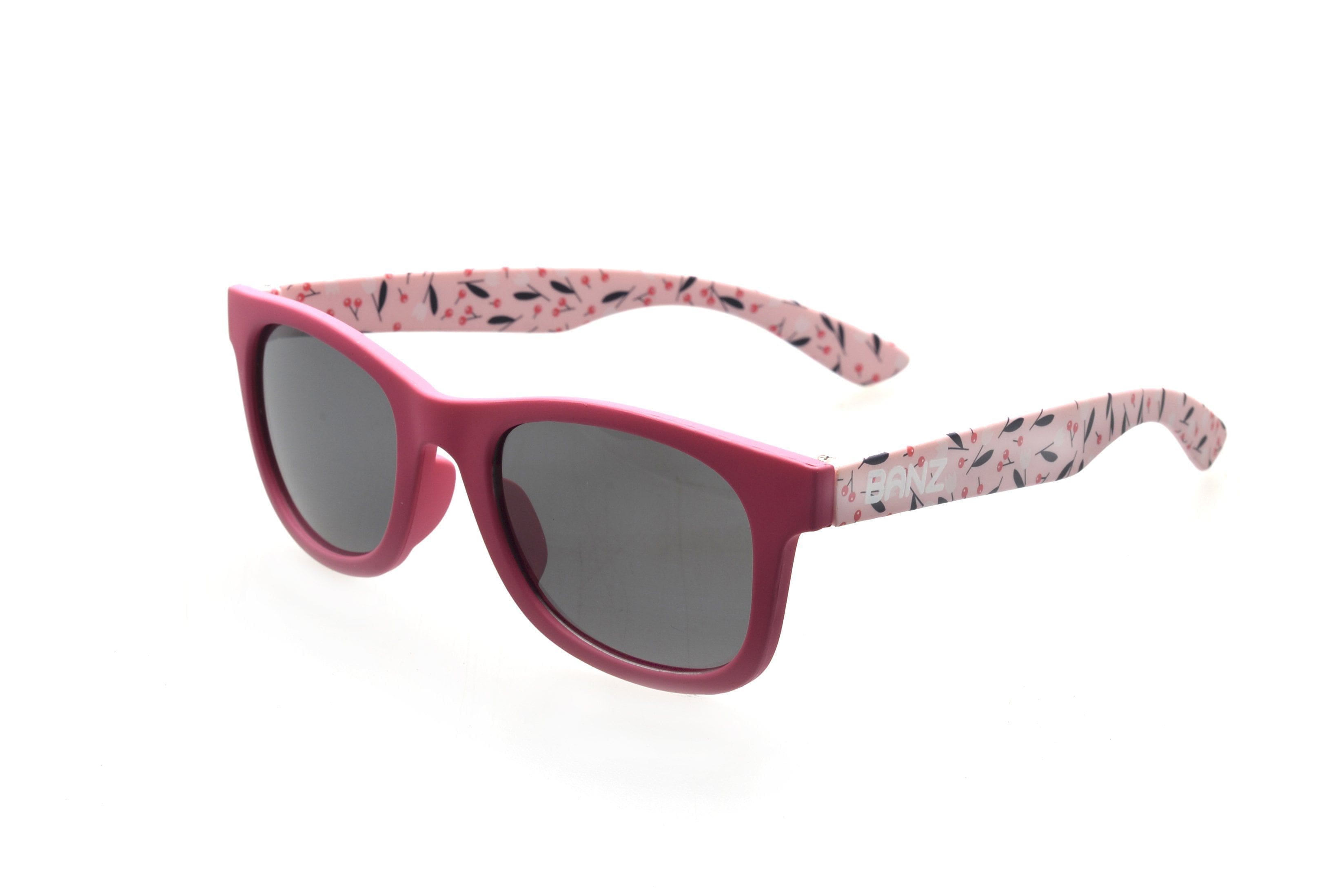
UV-blocking sunglasses protect the eyes and the thin skin around them. Wraparound styles stay on better during active play.
Sunscreen: selection and application
Per FDA guidance, choose broad-spectrum (UVA + UVB) sunscreen, apply it 30 minutes before going outside, and reapply every two hours or immediately after swimming or heavy sweating. For children’s sensitive skin, mineral formulas with zinc oxide or titanium dioxide are often preferred because they start working on contact and are less likely to irritate.
Age-specific rules:
- Infants under 6 months: Keep out of direct sun. Use shade and protective clothing as the primary strategy. The FDA advises that sunscreen is generally not recommended for routine use on infants this young; small-area application may be acceptable only when shade or clothing is unavailable.
- Toddlers (6 months–3 years): Mineral SPF 30+ on all exposed skin; reapply on schedule regardless of how busy play gets.
- School-age (4–12): SPF 30+ broad-spectrum; involve them in the application routine so they learn the habit.
- Teens: SPF 30+ minimum; frame it as skin care, not just sun protection, to improve buy-in.
Pro Tip: For active kids in and out of the water, UPF rash guards do the heavy lifting. Reserve sunscreen for the face, hands, and any skin the rash guard doesn’t cover. This reduces missed spots and cuts reapplication time in half.
How do you prevent heat illness during a sunny camping day?
Sun exposure and heat risk move together on camping days. A child who is hot and sweating is also losing fluid fast, and a tent in direct sun can reach dangerous temperatures within minutes. Hydration is not optional — it is part of the sun-safety plan.
Watch for these early warning signs:
- Flushed or pale skin
- Excessive sweating or, conversely, dry skin when the child should be sweating
- Complaints of headache or dizziness
- Unusual fatigue or irritability
Advanced signs — confusion, vomiting, loss of consciousness, or skin that is hot and dry — require immediate action.
First-aid steps for heat exhaustion at camp:
- Move the child to shade or the coolest available spot immediately.
- Remove excess clothing and apply cool, wet cloths to the neck, armpits, and groin.
- Offer small sips of cool water if the child is alert and able to swallow.
- Fan the child to increase evaporative cooling.
- Monitor closely; if symptoms do not improve within 15 minutes or worsen at any point, call 911.
Heatstroke — hot, dry skin, confusion, or loss of consciousness — is a medical emergency. Call 911 immediately.
Practical hydration cues for camping days:
- Offer water every 20–30 minutes during active outdoor time, not just when children say they are thirsty.
- Check urine color: pale yellow is the target; dark yellow means more fluid is needed.
- Schedule a shaded rest break at midday, even if children resist.
- Avoid sugary drinks and sodas as the primary hydration source during peak heat.
Pro Tip: Freeze water bottles the night before and pack them in an insulated cooler. Cold water is more appealing to kids on hot days and stays cold longer than room-temperature bottles.
How do you get kids to actually follow sun-safety rules at camp?
Routines and near-term benefits work better than health warnings. Telling a 7-year-old that sunscreen prevents cancer in 30 years rarely changes behavior. Telling them it keeps their skin from hurting so they can keep swimming today usually does.
Age-segmented tactics:
- Toddlers: Make application a game. “Sunscreen time” with a silly song or a countdown works. Model the behavior yourself every time.
- School-age kids: Give choices within limits. “Do you want the stick or the spray?” keeps them engaged without negotiating whether to apply at all. Build it into a scripted morning routine alongside teeth brushing.
- Teens: Connect protection to appearance and comfort. Avoiding a painful burn that peels and looks bad is a more effective frame than abstract risk. Let them pick their own sunscreen formula.
Quick behavior tips:
- Set a phone alarm for reapplication so the reminder comes from a device, not a parent.
- Keep hats and sunglasses in one designated spot at camp so they are always easy to grab.
- Praise compliance specifically: “You put your hat on without being asked” lands better than generic praise.
- Let older children track the UV index using a free app so they own the decision.
- Make shade breaks feel like a reward, not a punishment — snacks, card games, or stories in the shade.
Pro Tip: Let each child pick their own hat before the trip. A child who chose the hat is far more likely to wear it without argument. Check out sun safety activities that make protection feel like part of the adventure, not a chore.
How should you set up your campsite to reduce UV exposure?
Campsite layout directly affects how much UV your children absorb throughout the day. A few decisions on arrival make a measurable difference.
Arrival setup steps:
- Orient tents so the entrance faces away from direct midday sun; this keeps the interior cooler and gives a shaded threshold to step into.
- Set up your main activity area (table, chairs, play zone) under the deepest available natural shade.
- Identify where reflected UV is highest — near the water’s edge, on sandy ground, or on light-colored surfaces — and keep infant and toddler play away from those spots during peak hours.
- Deploy a pop-up canopy or shade tarp as a dedicated rest zone; size it for the whole family to sit under comfortably.
For portable shade, a pop-up canopy with UV-blocking fabric (UPF 50+ rated canopy fabric is available) covers the most ground. Shade tarps are lighter and pack smaller but need anchor points and guy lines in wind. A beach umbrella works for one or two people but is too small for a family activity zone.
Pro Tip: Dark-colored canopy fabric absorbs more UV than light-colored fabric and provides better protection. Position the canopy so it blocks the sun’s angle at its peak (roughly south-facing in the northern hemisphere) rather than placing it for convenience. Per Beacon Health System guidance, planning shade breaks during midday hours is one of the most effective ways to reduce total UV dose on a camping day.
What sun-safety gear should you pack for a family camping trip?
Use this list as your packing checklist. Screenshot or print it before you load the car.
Clothing and hats:
- UPF 50+ long-sleeve shirts for each child (at least two per child for multi-day trips)
- UPF rash guards for water activities
- Wide-brim hats (3-inch brim minimum) with chin strap or toggle for each child
- UV-blocking sunglasses (UV400) for each child and adult
Sunscreen and application:
- Broad-spectrum SPF 30+ sunscreen (mineral formula for young children)
- Sunscreen stick for face and ears (easier to apply precisely on moving kids)
- Lip balm with SPF 30+
- Plan on roughly 1 oz (a shot glass full) per full-body application per person; for a family of four over a weekend, bring at least one full 8 oz bottle plus backup
Shade and shelter:
- Pop-up canopy or shade tarp with stakes and guy lines
- Extra tarp for tent shade if needed
Hydration and cooling:
- Insulated water bottles for each person
- A cooler with ice or frozen packs for cold water and cool cloths
- Electrolyte packets for longer or hotter days
First aid and extras:
- Aloe vera gel for mild sunburn relief
- Cool compresses or instant cold packs
- A thermometer to check for fever with burns
- Written note of the nearest urgent care or emergency room address
Storage tip: Keep sunscreen in a cooler or shaded bag. Prolonged exposure to high heat degrades sunscreen and reduces its effectiveness. A packable sun protection guide covers travel-friendly formats and storage in more detail.
When should you call a doctor or 911 for sunburn or heat illness?
Call your pediatrician or 911 for any of the following: blistering burns, burns covering a large area, fever combined with sunburn, confusion, vomiting, or loss of consciousness.
Red-flag symptoms that require medical attention:
- Blisters or burns that cover more than a small area
- Fever above 103°F, especially combined with sunburn
- Severe pain that over-the-counter pain relief does not control
- Vomiting or inability to keep fluids down
- Confusion, slurred speech, or loss of consciousness
- Skin that is hot and dry (not sweating) with a high body temperature
For mild to moderate sunburn at camp: move the child to shade, apply cool (not cold) water or a damp cloth to the burned area, give an age-appropriate dose of ibuprofen or acetaminophen for pain, and apply aloe vera gel once the skin cools. Do not apply butter, oil, or ice directly to burned skin. Keep the child well hydrated and out of the sun until the burn heals.
This article provides general information only and is not a substitute for professional medical advice. For official guidance, consult your pediatrician or visit HealthyChildren.org.
How BANZ products fit into your camping sun-safety plan
BANZ maps directly onto the layered approach: UPF 50+ hats as primary physical protection, UV-blocking sunglasses for eye safety, and the free BANZ Protect app for real-time UV monitoring and reapplication reminders.
Three hats worth knowing for camping trips:
- Childrens Sun Hats with UPF 50+ Protection with Pocket: UPF 50+ rated, with a built-in storage pocket — useful for keeping a small sunscreen stick or lip balm within reach at camp.
- Hello Sunshine Sunhat with Sequins: A straw-style hat with decorative sequins that gives kids a reason to want to wear it. Child buy-in is half the battle.
- Childrens Sun Hats with UPF 50+ Protection with Toggle: An adjustable toggle keeps the hat secure during active play, swimming, and windy conditions at open campsites.
The free BANZ Protect app delivers real-time UV index readings and sends reminders when it is time to reapply sunscreen or move to shade. For parents managing multiple children across a busy camping day, that automated alert removes the guesswork.
Pro Tip: Check the BANZ UV Safety Resources page for UV index guidance and downloadable safety references you can save to your phone before heading into areas with limited cell service.
What one campsite adjustment made sun safety actually work
The first time I brought young children camping, I packed everything correctly and still ended up with a burned toddler by noon. The problem was not the gear — it was the sequence. I was applying sunscreen at the trailhead, not 30 minutes before leaving camp. By the time we reached the open meadow, the sunscreen had barely had time to absorb.
The fix was simple: sunscreen goes on at the campsite, before breakfast, as part of the morning routine. Hats and sunglasses come out of the same bag as the breakfast dishes. When protection is built into the camp routine rather than treated as a last-minute step at the trailhead, compliance is near-total — even with a resistant 4-year-old.
Apply that one change on your next trip: move sunscreen application 30 minutes earlier than you think you need to, and tie it to something that already happens every morning.
BANZ sun hats and UPF gear, ready for your next camping trip
Keeping kids protected across a full camping day means having gear that holds up through swimming, hiking, and everything in between. BANZ UPF 50+ sun hats are built for exactly that: secure fit, full-brim coverage, and protection that does not wash off or wear away.
The Childrens Sun Hats with UPF 50+ Protection with Toggle stays on during active play. The Childrens Sun Hats with UPF 50+ Protection with Pocket keeps a sunscreen stick within arm’s reach. Both are in stock and ready to ship. Browse the full range of outdoor sun safety gear and add your child’s hat to cart today.
Sources
- Ultraviolet radiation exposure — American Academy of Pediatrics
- Sun Safety — Centers for Disease Control and Prevention
- Sunscreen: How to help protect your skin from the sun — U.S. Food & Drug Administration
- Healthychildren
- Sun safety: Protecting your skin during camping season — Beacon Health System
Check the EPA’s daily UV Index forecast for your camping location before you leave — UV levels vary significantly by region, altitude, and season, and knowing the forecast lets you plan activity timing before you arrive.
