

Clothing color directly affects how much UV radiation reaches your child’s skin, with darker and more saturated hues absorbing significantly more ultraviolet light than lighter shades. The role of clothing color in UV blocking is real and measurable, but it works alongside fabric weave, fiber type, and certified UPF ratings rather than standing alone as a reliable protection standard. For parents sending kids outside to play, swim, or hike, understanding how these factors interact helps you make smarter gear choices. UPF-rated apparel remains the definitive measure of protection, with color serving as a useful but secondary guide.
How does clothing color affect UV protection?
Color influences UV blocking through dye chemistry. Darker and more intensely colored dyes transmit less UV radiation than lighter or pale colors, meaning less UVA and UVB reaches the skin beneath the fabric. This happens because darker dyes absorb a broader range of light frequencies, including those in the ultraviolet spectrum. The effect is real, but it does not tell the whole story.
Several factors combine to determine how well a garment actually protects your child:
- Fabric weave density: A tightly woven fabric leaves fewer gaps for UV to pass through, regardless of color. A loosely woven white shirt may actually outperform a loosely woven dark shirt in some tests.
- Fiber type: Synthetic fibers like polyester typically outperform natural fibers such as cotton in UV blocking. Polyester reflects UV more effectively, while cotton absorbs moisture and can lose protective capacity when wet.
- Skin coverage: A long-sleeved dark shirt covers more surface area than a dark tank top. Coverage area is one of the most direct ways to reduce UV exposure.
- UPF rating: The Ultraviolet Protection Factor rating is the lab-tested, standardized measure of how much UV a fabric blocks. A garment rated UPF 50+ blocks over 98% of UV radiation, regardless of its color.
Color is a contributing factor, not a controlling one. REI recommends choosing UPF-labeled clothing and treating darker, saturated fabrics as a useful secondary consideration when comparing garments of similar construction.
Pro Tip: When choosing between two similar garments without UPF labels, pick the darker or more saturated color. Between two UPF-certified garments, the rating matters more than the color.
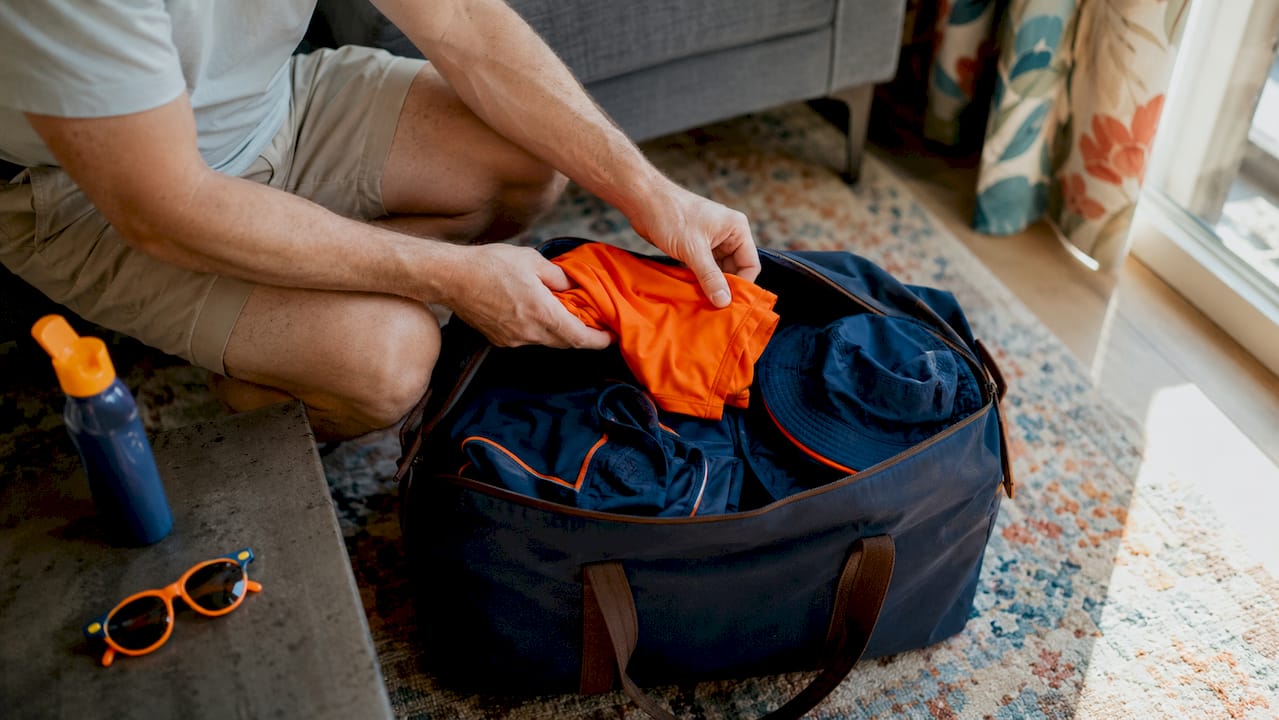
Understanding how fabric weave affects UV protection helps you evaluate clothing beyond just color alone.
What are the best colors for UV protection?
Research gives clear answers here. Black fabric blocks the highest amount of UV radiation among tested colors, allowing only 0.66% UV transmittance in controlled studies. That is a striking number. It means nearly all UV is absorbed before it reaches the skin.
Dark blue ranks close behind black. A Spanish study found dark blue offers superior UV protection among colors tested, outperforming white and yellow. The Cancer Council Australia specifically recommends dark blue, black, and dark red over pastel shades for sun protection. These recommendations are grounded in the same dye chemistry principle: deeper pigmentation absorbs more of the UV spectrum.
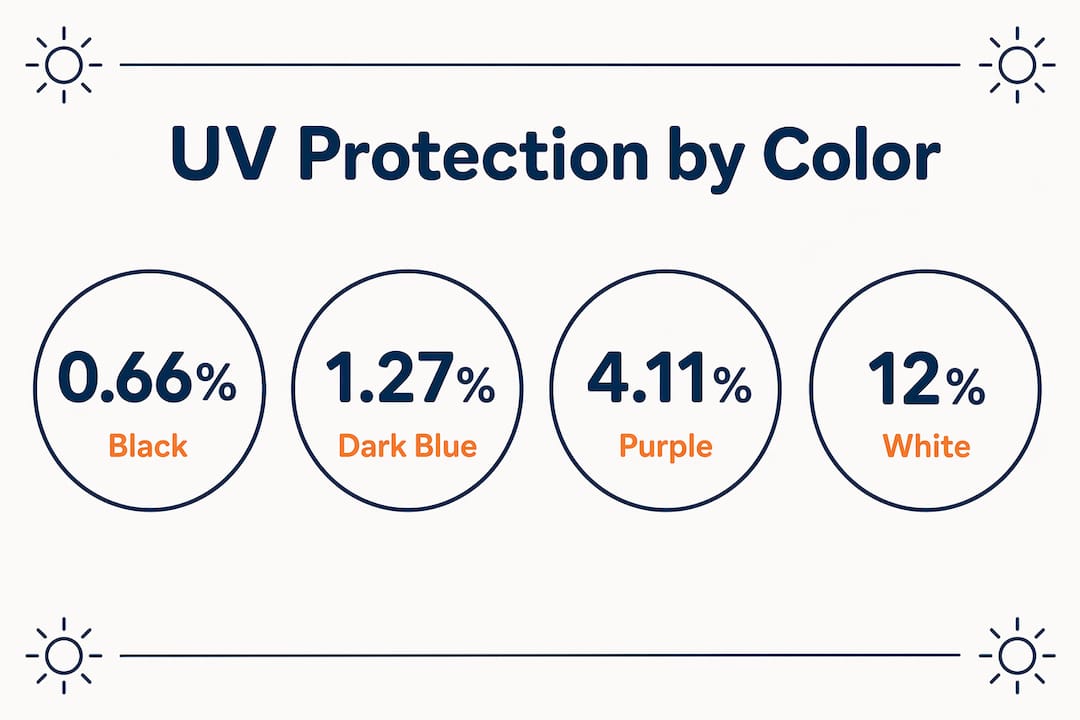
The results for lighter colors are more surprising. Purple, despite appearing vivid and saturated, allows 4.11% UV transmittance in the same research. White performs similarly to purple in many tests, which surprises most parents who assume white reflects all harmful radiation. White does reflect visible light well, but UV radiation behaves differently from visible light, and white dyes do not absorb UV as effectively as dark pigments.
Here is a comparison of how common clothing colors perform on UV transmittance:
| Color | UV Transmittance | Relative Protection |
|---|---|---|
| Black | ~0.66% | Highest |
| Dark blue | Very low | High |
| Dark red | Low | High |
| Purple | ~4.11% | Moderate |
| White | Moderate to high | Lower |
| Pastel shades | High | Lowest |
Lower transmittance means more UV is blocked before reaching skin. This table shows why dressing kids in black or dark blue shirts on a beach day is a practical, evidence-backed choice, not just a fashion decision.
How reliable is color alone for UV protection?
Color is not a reliable standalone measure. The only way to confirm a garment’s UV blocking performance is a lab-certified UPF rating. UPF testing uses spectrophotometers and standardized protocols that measure erythemally weighted UVA and UVB transmission through fabric samples. This means the test accounts for the specific wavelengths that cause sunburn and skin damage, not just general light transmission.
Different certification standards exist by region:
- AS/NZS 4399: Used in Australia and New Zealand, one of the most rigorous standards globally.
- EN 13758-1: The European standard for UV protective textiles.
- AATCC 183: The American standard used by many US manufacturers.
- UV Standard 801: Tests fabrics under real-world use conditions, including when wet, stretched, or repeatedly washed.
The UV Standard 801 protocol is particularly relevant for parents. UPF clothing can lose protective power when stretched, wet, or laundered frequently. A garment tested under UV Standard 801 has been verified to maintain its protection even under those conditions, which matters when your child is swimming, sweating, or wearing the same shirt every weekend.
One detail most parents do not know: each color variant of the same garment may require separate UPF testing because dye chemistry and color lightness affect UV absorption differently. A navy version and a white version of the same shirt are not automatically equivalent in protection. Manufacturers who want to certify multiple colorways must test each one individually.
Pro Tip: Check the garment’s hang tag or product page for a specific UPF rating. If the label just says “sun protective” without a number, it has not been independently certified.
Two garments with verified UPF 50+ ratings provide equivalent UV blockage regardless of their visible color. This is the key takeaway for parents: certification levels the playing field between colors.
Practical tips for choosing UV protective clothing for kids
Use these steps when shopping for sun protective clothing for your child:
- Start with the UPF label. A certified UPF 50+ rating blocks over 98% of UV radiation. This is your primary filter when evaluating any garment.
- Use color as a tiebreaker. When comparing two similar garments with the same UPF rating, choose the darker or more saturated color. Darker, saturated fabrics generally provide better UV defense than lighter counterparts of similar construction.
- Check the fiber content. Polyester and nylon outperform cotton in UV blocking. Look for synthetic blends in rash guards, swim shirts, and outdoor play clothing.
- Prioritize coverage. Long sleeves, high necklines, and longer hemlines reduce the total skin area exposed to UV. A UPF 50+ long-sleeve shirt protects far more than a UPF 50+ tank top.
- Avoid relying on white or pastel clothing. These colors allow more UV transmission and are not reliable sun protection on their own, even if the fabric feels thick.
- Layer your protection strategy. Clothing is one layer. Add a UPF 50+ sun hat, broad-spectrum sunscreen on exposed skin, and shade breaks during peak UV hours (10 a.m. to 4 p.m.).
- Replace worn or stretched garments. Fabric that has been heavily laundered or stretched loses some UV blocking capacity. If a shirt looks thin or faded, its protection may have declined.
For high-exposure activities like beach days or water parks, check out outdoor sun safety gear options designed specifically for those conditions.
Key takeaways
Clothing color affects UV blocking, but a certified UPF rating, tight weave, and synthetic fiber content determine actual protection levels for children.
| Point | Details |
|---|---|
| Color affects UV absorption | Black and dark blue block the most UV; white and pastels allow the most transmission. |
| UPF rating is the reliable measure | Only lab-certified UPF ratings confirm actual UV blocking performance across all colors. |
| Each color needs separate testing | A navy and white version of the same shirt are not automatically equivalent in UPF protection. |
| Fiber and weave matter more than color | Polyester and tight weaves outperform loose cotton regardless of color choice. |
| Layer protection strategies | Combine UPF clothing with sun hats, sunscreen, and shade for full coverage. |
What I’ve learned about color, UPF, and real-world sun protection
By Shari M. Murphy
Most parents I speak with assume darker clothes automatically mean better sun protection. That assumption is directionally correct but dangerously incomplete. I have seen parents dress their kids in dark, unrated cotton T-shirts and feel confident they have done their job. Cotton stretches, gets wet, and loses UV blocking capacity quickly. The color helps, but it does not compensate for an uncertified, loosely woven fabric.
The more useful mental model is this: color is a risk reducer, not a protection guarantee. It shifts the odds in your favor when everything else is equal. But when you are choosing between a white UPF 50+ rash guard and a dark blue unrated cotton shirt, the white rash guard wins every time.
There is also a practical reality with kids. Children often resist wearing dark colors in summer because they absorb more heat. A certified UPF 50+ garment in a lighter color is a better outcome than a dark, uncertified shirt your child refuses to keep on. Comfort drives compliance, and compliance is what actually protects skin.
My recommendation: treat UPF certification as non-negotiable, use color as a secondary preference, and always pair clothing with a hat and sunscreen. Sun protection layers for toddlers work best when they are consistent, not perfect.
— Shari M. Murphy
Gear up with BANZ for certified UV protection
BANZ designs UPF 50+ sun hats and protective clothing built specifically for children, with certified ratings that take the guesswork out of color selection. Every BANZ hat blocks over 98% of UV radiation, verified by lab testing, not just dye color. Options come in both deep, saturated colors and vibrant prints, so you get the benefit of darker hues alongside certified protection. The BANZ Bubzee pocket sun hat pairs UPF 50+ certification with practical design for active kids. Add a reversible UPF 50+ baby sun hat for your youngest family members. Pair any hat with sunscreen and shade for a complete sun safety routine.
FAQ
Does darker clothing always block more UV rays?
Darker colors generally absorb more UV radiation than lighter shades, but a dark garment without a UPF rating is not guaranteed to provide reliable protection. Fabric weave, fiber type, and certification matter as much as color.
What color clothing blocks the most UV?
Black blocks the most UV among tested colors, with only 0.66% UV transmittance in research studies. Dark blue and dark red also perform well, while white and pastel shades allow significantly more UV transmission.
Is a UPF rating more reliable than clothing color for sun protection?
Yes. A certified UPF 50+ garment blocks over 98% of UV regardless of color, because lab testing accounts for dye chemistry, weave, and fiber together. Color alone cannot guarantee that level of protection.
Can white clothing protect kids from UV rays?
White clothing provides limited UV protection on its own. White dyes do not absorb UV effectively, and white fabrics typically allow more UV transmission than dark-colored equivalents. A white garment with a certified UPF 50+ rating is protective; an unrated white shirt is not.
Does washing or stretching affect UV protection in clothing?
Yes. UPF clothing can lose protective capacity when stretched, wet, or washed repeatedly. Look for garments tested under the UV Standard 801 protocol, which verifies protection holds up under real-world use conditions including moisture and repeated laundering.