

Sun hats are the most reliable physical barrier for protecting children’s heads, faces, ears, and necks from harmful UV radiation during outdoor activities. The role of sun hats in UV protection goes beyond shade. A certified UPF 50+ hat blocks at least 98% of both UVA and UVB rays, making it a more consistent defense than sunscreen alone. The Skin Cancer Foundation recommends a broad-brimmed hat with UPF 50+ as the most reliable sun protection method for the head and neck. Combined with SPF 30+ sunscreen and UV-protective clothing, a quality sun hat forms the foundation of any complete sun safety plan for children.
How do sun hats protect against UV rays?
A sun hat works by placing a physical barrier between UV radiation and skin. Unlike sunscreen, which requires correct application and regular reapplication, a hat provides continuous coverage as long as it stays on. That consistency matters most for active children who sweat, swim, and play for hours at a stretch.
Brim size is the single most important structural factor. A wide brim of 3 to 4 inches delivers 360-degree coverage and reduces UV exposure to the nose, cheeks, ears, and neck by 66% to 77%. That is a significant reduction for skin that is far more sensitive to UV damage than adult skin. A standard baseball cap, by contrast, leaves the ears and neck completely exposed.
The fabric itself also blocks UV. UPF, or Ultraviolet Protection Factor, is the fabric equivalent of SPF for sunscreen. UPF 50+ fabric allows only 2% or less of UV radiation to pass through, compared to a loosely woven straw hat that may carry a UPF as low as 5 to 7. That difference is not cosmetic. It determines how much UV actually reaches your child’s skin.
Key protection factors to look for in any sun hat:
- Brim width: Minimum 3 inches for adequate face and neck coverage
- UPF rating: UPF 50+ is the gold standard for fabric-based UV blocking
- Coverage area: Full 360-degree brim or neck flap for ears and nape
- Fit security: Chin straps or toggles to keep the hat on during active play
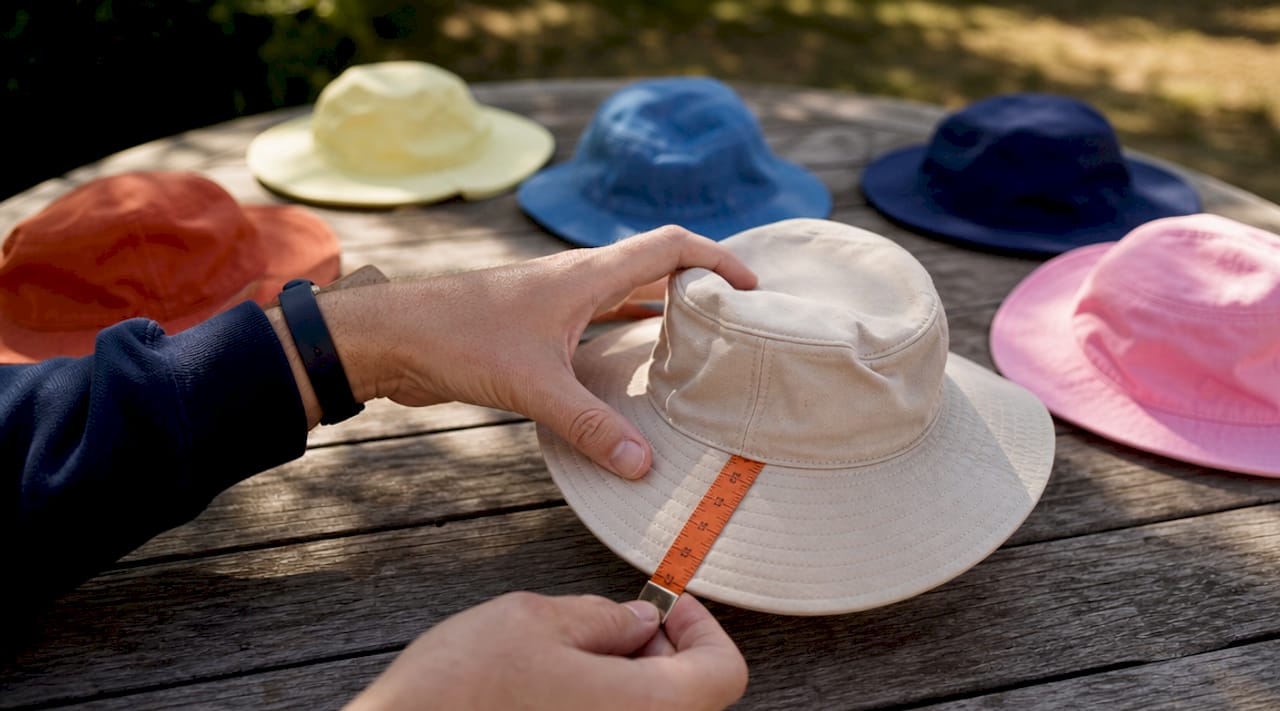
Pro Tip: Measure the brim from the base of the crown outward. A hat that looks wide on a shelf may only measure 2 inches on a toddler’s head. Always measure before buying.
What features make the best sun hats for children?
Not all UV protection headwear performs equally. The best sun hats for children combine certified fabric ratings with structural design that holds up during real outdoor use. Here is how the main hat styles compare:
| Hat style | Brim coverage | UPF rating potential | Best for |
|---|---|---|---|
| Bucket hat | Full 360-degree brim | High (UPF 50+ available) | Toddlers, beach, general outdoor play |
| Legionnaire hat | Brim plus neck flap | High (UPF 50+ available) | High UV environments, prolonged sun exposure |
| Flap hat | Wide brim plus back flap | High (UPF 50+ available) | Babies, stroller use, water activities |
| Baseball cap | Front brim only | Low (UPF 5 to 15 typical) | Not recommended as primary UV protection |
| Floppy straw hat | Wide but unstable brim | Low to medium | Casual use only, not reliable for active children |
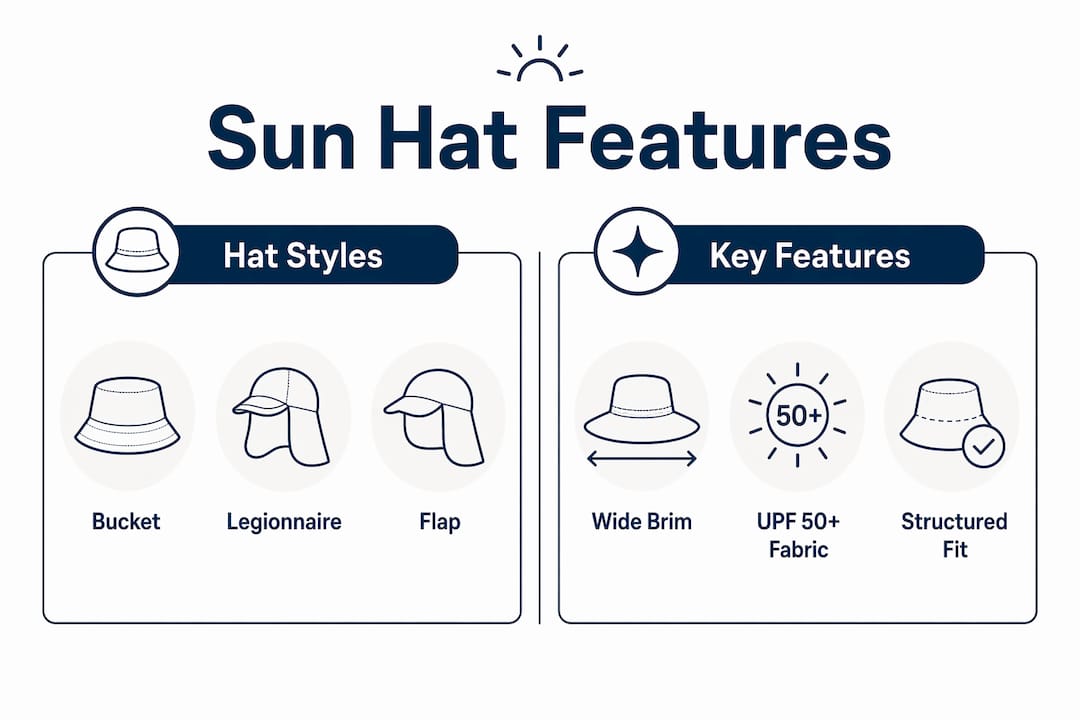
Children’s UV-protective hats come in bucket, legionnaire, and flap styles that combine wide brims with practical features like chin straps and ventilation panels. These design choices are not just about comfort. A hat a child refuses to wear provides zero protection. Ventilation keeps the hat on longer because children do not overheat and pull it off.
Structured brims matter more than most parents realize. Floppy brims can collapse and block a child’s vision during active play, creating a safety hazard. A structured brim holds its shape and maintains consistent shade coverage whether your child is running, climbing, or sitting in a stroller.
Fabric density is another factor consumers often overlook. A hat made from tightly woven polyester or nylon with a UPF 50+ certification provides consistent protection. A loosely woven cotton hat, regardless of how wide the brim is, may allow significant UV penetration through the weave itself.
How do sun hats fit into a complete sun protection plan?
Sun hats are the foundation, not the full solution. Dermatologists stress that hats should anchor sun protection rather than replace sunscreen, because no hat covers every inch of exposed skin. A layered approach covers the gaps.
Here is a practical sun protection routine for children during outdoor activities:
- Start with the hat. Put the UPF 50+ hat on first. It covers the highest-risk areas, head, face, ears, and neck, without any application required.
- Apply SPF 30+ sunscreen to exposed skin. Focus on areas the hat does not reach: hands, arms, legs, and any exposed torso. A UPF 50+ hat combined with SPF 30+ sunscreen is the system dermatologists recommend for optimal prevention.
- Add UV-protective clothing. Long-sleeve UPF shirts and pants cover the body without requiring sunscreen reapplication on those areas.
- Include UV-protective sunglasses. Eyes and the skin immediately around them are highly vulnerable to UV damage. Wrap-around styles provide the best coverage for children.
- Reapply sunscreen every two hours. Sunscreen wears off through sweat and activity. The hat does not. That is one of the core sun hat benefits: it provides continuous protection without any maintenance during play.
Certain medications increase UV sensitivity in children. Antibiotics, retinoids, and blood pressure medications all heighten UV risk, making physical barriers like sun hats non-negotiable rather than optional for children on these drugs. If your child takes any regular medication, check with your pediatrician about sun sensitivity.
Pro Tip: Use the free BANZ Protect app to monitor real-time UV index levels during outdoor activities. When the UV index hits 3 or above, full sun protection gear including a UPF 50+ hat becomes necessary.
For a broader look at outdoor sun safety gear options for children in 2026, including hats, clothing, and accessories, BANZ has a detailed resource covering the full range.
What are the common myths about sun hat protection?
The biggest misconception parents carry is that a hat alone provides complete UV protection. It does not. No hat blocks 100% of UV because reflected UV rays from water, sand, and snow reach the lower face and chin from below the brim. A hat addresses direct overhead UV extremely well. Reflected UV requires sunscreen as a backup.
Other common myths worth correcting:
- “Any hat works.” A loosely woven straw hat or a baseball cap may carry UPF as low as 5 to 7, allowing the majority of UV radiation to pass through the fabric. UPF certification is not decorative. It is the only reliable indicator of actual protection.
- “A hat replaces sunscreen.” Hats cover the head and neck. They do not cover arms, legs, or hands. Sunscreen remains necessary for all uncovered skin.
- “Wide brim means full protection.” Brim width addresses direct UV. High-UV environments like beaches, ski slopes, and open water amplify reflected UV significantly. In these settings, neck flaps and sunscreen together with the hat are required.
- “Hats are only needed in summer.” UV radiation reaches damaging levels year-round in many climates, and at high altitudes even in winter. UV index, not temperature, determines when protection is needed.
The practical takeaway for parents: match the hat to the environment. A legionnaire-style hat with a neck flap is the right choice for a full day at the beach. A bucket hat works well for a morning at the playground. The activity and UV index together determine the appropriate level of protection.
Key takeaways
Sun hats with UPF 50+ certification reduce UV exposure to the head, face, ears, and neck by up to 77% and form the essential foundation of any layered sun protection plan for children.
| Point | Details |
|---|---|
| UPF 50+ is the standard | Only UPF 50+ certified hats block 98% or more of UVA and UVB rays consistently. |
| Brim size determines coverage | A 3 to 4 inch brim provides 360-degree shade and reduces UV exposure by 66 to 77%. |
| Hats do not replace sunscreen | Reflected UV from sand and water still reaches skin; SPF 30+ sunscreen covers the gaps. |
| Hat style matches the activity | Legionnaire and flap hats suit high-UV environments; bucket hats work for general outdoor play. |
| Layered protection is most effective | Combining a UPF hat, SPF 30+ sunscreen, UV clothing, and sunglasses delivers the best results. |
Why I think parents underestimate the hat
By Shari M. Murphy
Most sun safety conversations focus on sunscreen. Parents spend time debating SPF numbers, mineral versus chemical formulas, and spray versus lotion. The hat gets treated as an afterthought, something you grab on the way out the door if you remember it.
That is the wrong priority order. A UPF 50+ hat requires zero reapplication, does not rub off on car seats, and covers the areas where children burn fastest: the nose, ears, and back of the neck. Sunscreen on those spots is applied inconsistently at best, especially on a moving toddler.
What I have seen work consistently is making the hat part of the shoes-and-socks routine. It goes on before you leave the house, every time, regardless of cloud cover. Children who wear hats from infancy treat them as normal outdoor gear rather than an imposition. That habit is worth more than any single product choice. The technology in newer UPF hats, including ventilation panels and secure toggle fits like those from BANZ, removes the two main reasons children pull hats off: heat and poor fit. Solve those two problems and the hat stays on. That is the whole game.
— Shari M. Murphy
Gear up with BANZ sun hats for kids
BANZ designs UPF 50+ sun hats specifically for children, from infants through older kids, with features that address the real challenges parents face: hats that stay on, stay cool, and actually block UV.
The BANZ pocket sun hat and reversible baby sun hat both carry UPF 50+ certification, structured wide brims, and comfort materials suited for active outdoor wear. The toggle-fit options include adjustable chin straps that keep the hat secure during play without discomfort. BANZ has protected over 2 million families across six continents, and the free BANZ Protect app adds real-time UV monitoring so you know exactly when protection is needed. Browse the full range at usa.banzworld.com.
FAQ
What does UPF 50+ mean on a sun hat?
UPF 50+ means the hat’s fabric blocks at least 98% of UVA and UVB rays, allowing only 2% or less to pass through. It is the gold standard rating for UV protection headwear and is more reliable than unrated hats made from standard materials.
How wide should a child’s sun hat brim be?
A brim of at least 3 to 4 inches provides 360-degree coverage and reduces UV exposure to the face, ears, and neck by 66% to 77%. Smaller brims leave the ears and neck exposed to direct UV radiation.
Can a sun hat replace sunscreen for children?
No. A sun hat covers the head and neck but does not protect arms, legs, or hands. Reflected UV from sand, water, and snow also reaches the lower face under the brim, so SPF 30+ sunscreen on all exposed skin remains necessary.
What sun hat style offers the most protection for kids?
Legionnaire and flap-style hats offer the most coverage because they combine a wide front brim with a neck flap that protects the ears and nape. These styles are recommended for toddler sun hat fit and high-UV environments like beaches and open water.
Are baseball caps enough sun protection for children?
Baseball caps are not sufficient as primary UV protection. They cover only the front of the face, leave ears and necks fully exposed, and typically carry UPF ratings as low as 5 to 7, meaning most UV radiation passes through the fabric.