

The most reliable theme park sun protection for kids is layered, not single-product: UPF 50+ clothing, a brimmed hat, sunglasses, broad-spectrum SPF 30+ sunscreen, portable shade, steady hydration, and breaks scheduled around peak UV hours. Infants under 6 months are the exception. They should stay covered by clothing and shade rather than depend on sunscreen. Everything below turns that verdict into a checklist you can actually pack and run on the day.
TL;DR:
- UPF 50+ clothing provides more consistent UV protection than sunscreen, especially as lotion degrades from sweat and friction during rides.
- Reapply broad-spectrum SPF 30+ sunscreen every two hours or after water rides, with mineral formulas recommended for sensitive skin or young children.
- Use a combination of shade options like umbrellas, tents, and stroller canopies alongside hats and sunscreen for effective UV defense.
- Pack protective gear such as snug-fitting hats with chin straps and lightweight UPF rash guards that stay in place during rides and queue wait times.
- Maintain scheduled sun protection routines with alarms and natural checkpoints like meals to ensure consistent reapplication and hydration.
Table of Contents
- Your Theme Park Sun Protection Checklist for Kids
- UPF Clothing and Hats: What Actually Holds Up in Line
- Sunscreen Rules That Survive a Full Park Day
- Shade Options That Hold Up in a Crowded Park
- Hydration, Heat Signs, and What to Do Right Away
- Infants and Toddlers Need Different Rules
- Building a Park-Day Routine That Runs Itself
- Why This Guide Reflects Real Pediatric Guidance
- Where to Find First Aid and Sun Safety Stations in the Park
- Sun Gear That Won’t Fight Your Child’s Ride Harness
- BANZ® Picks That Round Out Your Park Kit
- Making Sun Safety a Family Habit
- Sources
Your Theme Park Sun Protection Checklist for Kids
Pack this the night before, not the morning of, when everyone is rushing to find shoes. Group your bag by protective layer first, convenience items second, and you’ll spend less time digging through a backpack in the sun.
Layer one, on the body before you leave the hotel:
- UPF 50+ shirt or rash guard, plus shorts or leggings in the same fabric
- Wide-brim or legionnaire-style hat with a chin toggle
- UV-protection sunglasses rated for 100% UVA/UVB blocking
- Sunscreen applied to every exposed patch, including ears and the back of the neck
Layer two, in the day bag:
- Broad-spectrum SPF 30+ lotion for reapplication, plus a sunscreen stick for the face
- Refillable water bottle, ideally insulated
- Cooling towel or bandana
- Compact stroller umbrella or clip-on shade
- A pop-up shade tent if you’re planning a longer midday rest on grass or a beach-adjacent area
- Snacks that don’t need refrigeration
Keep the sunscreen stick and a travel-size lotion in the bag’s top pocket, not buried under diapers and snacks. You’ll use them every two hours, so they need to be reachable without unpacking everything. If you’re managing gear for more than one child, color-code each kid’s hat and sunglasses so mix-ups at the ride exit don’t turn into a scavenger hunt.
A practical packing checklist for theme park days can save you from forgetting the small items that matter most, like backup sunscreen or a spare hat clip.
Pro Tip: Apply sunscreen to the whole family before you leave the hotel room, not in the parking lot. Sunscreen needs about 15 to 30 minutes to bind to skin before sun exposure, so applying it at breakfast means it’s already working by the time you’re through the gate. Pack the reapplication lotion in a zip-top bag so a leaking cap doesn’t ruin your park bag.
UPF Clothing and Hats: What Actually Holds Up in Line
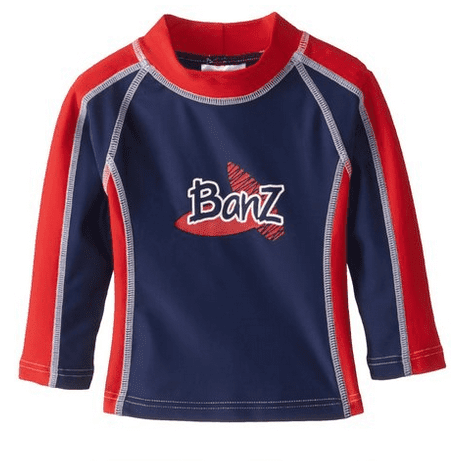
UPF stands for Ultraviolet Protection Factor, and it measures how much UV radiation a fabric blocks rather than how it treats skin already exposed. A UPF 50+ shirt blocks about 98% of UV rays regardless of how much sunscreen has worn off underneath, which makes it a more consistent line of defense than lotion alone during a full day outdoors. Sunscreen degrades with sweat and friction from ride harnesses; fabric does not.
For hats, three styles cover most families:
- Wide-brim hats give the broadest shade for the face and shoulders but can catch wind on faster rides.
- Bucket hats stay put better in queues and on spinning rides, though they shade less of the neck.
- Legionnaire-style hats with a flap add neck coverage, which matters most for toddlers who resist sunscreen on that spot.
A chin toggle or elastic strap solves the single biggest hat complaint parents have: kids pulling them off within ten minutes. For clothing fit, breathable long sleeves in a quick-dry fabric beat heavier cotton for comfort in queues, and rash guards double as swimwear for water rides. If you’re unsure whether a fabric actually blocks UV, hold it up to sunlight; if you can see light clearly through the weave, it’s not offering much protection regardless of the tag. A closer look at how UPF 50 fabric works explains why tighter, darker weaves consistently test higher than light, loose ones. For swimwear specifically, UPF swim fabric guidance covers what to look for beyond just a UPF number on the tag.
Sunscreen Rules That Survive a Full Park Day
Broad-spectrum SPF 30+ is the baseline for kids, and Children’s Hospital of Philadelphia recommends applying it 15 to 30 minutes before sun exposure and reapplying at least every two hours or immediately after swimming or heavy sweating. SPF 50+ is worth using for fair-skinned kids or for days that include a water ride, since water exposure cuts effective wear time even on water-resistant formulas.
For sensitive skin, mineral sunscreens with zinc oxide or titanium dioxide are the safer starting point. UCLA Health notes that pediatric dermatologists tend to recommend mineral formulas for younger children and those prone to reactions, and they flag ears, lips, and the backs of hands as the spots parents most often miss. Sticks work well for the face because they don’t run into eyes; lotion covers larger areas like arms and legs more efficiently.
A tactical reapplication routine works better than trying to remember on your own:
- Apply fully at the hotel before leaving.
- Set a phone alarm for every two hours.
- Reapply after any water ride or splash pad, regardless of the timer.
- Use meals and ride rotations as natural reapplication checkpoints, since kids are already sitting still.
Pro Tip: Tie reapplication to something you’re already doing, like handing out snacks. Kids resist a random sunscreen ambush far less than one that happens right after they’ve been asked to sit down and eat.
Shade Options That Hold Up in a Crowded Park
Shade helps, but it’s not complete protection on its own. Reflected UV from pavement, water rides, and metal railings still reaches skin even when a child is sitting under an umbrella, so shade needs to pair with a hat and sunscreen rather than replace them.
Practical shade gear that tends to work well in park settings:
- Stroller-mounted umbrellas that clip on and free up your hands
- Compact UPF-lined umbrellas sized for personal or double coverage
- Pop-up shade tents for longer rest stops on grass or open plazas
- Clip-on canopy extenders that add coverage to stock stroller canopies
Most parks allow personal umbrellas, but many restrict oversized golf-style umbrellas near queues and walkways for crowd-safety reasons, so check the specific park’s guest policy before you pack a large one. A hands-free stroller attachment solves this cleanly since it doesn’t require you to carry or hold anything while pushing through crowds. Options like the Shelta Sun Shelter UV Tent or the SHELTA Noosa Beach Umbrella give you a compact rest-stop shade solution for the moments you’re not moving.
Hydration, Heat Signs, and What to Do Right Away
Active kids need small sips every 20 to 30 minutes, not one big bottle at lunch. Flavored water or a mild electrolyte drink can help kids who resist plain water in the heat. Keep a refillable bottle on you at all times rather than relying on buying one when someone finally asks for a drink.
Watch for the difference between heat exhaustion (heavy sweating, dizziness, pale skin) and heat stroke (hot dry skin, confusion, no sweating), since the second is a medical emergency. If a child shows either set of symptoms, move to shade immediately, apply a cold compress to the neck and wrists, offer small sips of water, and head to the nearest first aid station.
Peak UV hours run from 10 a.m. to 4 p.m., and the American Camp Association recommends building shade breaks and reapplication into the schedule during that window rather than leaving it to chance.
Infants and Toddlers Need Different Rules
The FDA advises against sunscreen for infants under 6 months whenever possible, relying instead on shade, stroller covers, and lightweight UPF clothing. If a tiny patch of skin is exposed and unavoidable, a mineral sunscreen is the preferred option, but check with your pediatrician first.
For toddlers, keeping a hat and sunglasses on is often the bigger battle than the sunscreen itself.
- Use a chin toggle on the hat and let your toddler pick a favorite pattern for buy-in.
- Attach a breathable muslin cover to the stroller for infants who nap outdoors.
- Carry a stick sunscreen for the rare small exposed patch on an older infant, pediatrician permitting.
- Clip a compact shade panel to the stroller frame so it stays in place on bumpy paths.
Building a Park-Day Routine That Runs Itself
A simple timeline keeps sun protection from becoming a debate every hour. Try structuring your day like this:
- 7:30 a.m.: Full sunscreen application, UPF clothing on, hats and sunglasses ready before leaving the hotel.
- 10 a.m.: First reapplication, timed with a snack break in shade.
- 12 p.m.: Lunch in an air-conditioned or shaded restaurant, doubling as a midday UV break.
- 2 p.m.: Second reapplication, hydration check, cooling towel out.
- 4 p.m.: UV intensity drops; sunscreen focus shifts to lighter touch-ups only.
In queues, keep the stroller shade deployed even while standing still, keep the sunscreen stick in a pocket rather than the bottom of the bag, and rotate kids into whatever shaded strip exists near the queue rail. Set two phone alarms before you leave the hotel: one for reapplication every two hours, one for a hydration break every 30 minutes. The alarms do the remembering so you don’t have to.
Why This Guide Reflects Real Pediatric Guidance
This approach lines up with guidance from Children’s Hospital of Philadelphia, the FDA, and the American Camp Association, all of which point to the same core habits: broad-spectrum sunscreen, scheduled reapplication, and shade built into the day rather than treated as optional. Research on parental role modeling also shows kids cooperate with hats and UPF layers more readily when they see a parent wearing the same gear.
- A well-known company has supported sun and hearing protection for over 2 million families across six continents
- A free mobile app adds real-time UV and noise monitoring for on-the-day decisions
Where to Find First Aid and Sun Safety Stations in the Park
Every major theme park operates dedicated first aid stations, usually marked on the park map with a cross or medical-cross icon and typically located near central hubs, guest services, and larger attractions where foot traffic is heaviest. These stations stock basic supplies for heat-related symptoms, including cool compresses and water, and staff there are trained to recognize early heat exhaustion.
Check the park’s mobile app or the paper map you get at entry before you start your day, and note the nearest station to wherever your family plans to spend the most time. Many parks also place misting stations, shaded seating areas, and water refill points near first aid, which makes that zone a natural rally point if a child overheats or a hat blows off in the wind. If you’re traveling with an infant, ask a guest services attendant at the entrance whether a quiet, air-conditioned nursing or cooling room is available. Larger parks frequently offer one, even when it’s not marked clearly on the printed map. Building a quick stop at the nearest first aid station into your morning walk-through means you already know where to go if something comes up later, instead of searching for it under stress.
Sun Gear That Won’t Fight Your Child’s Ride Harness
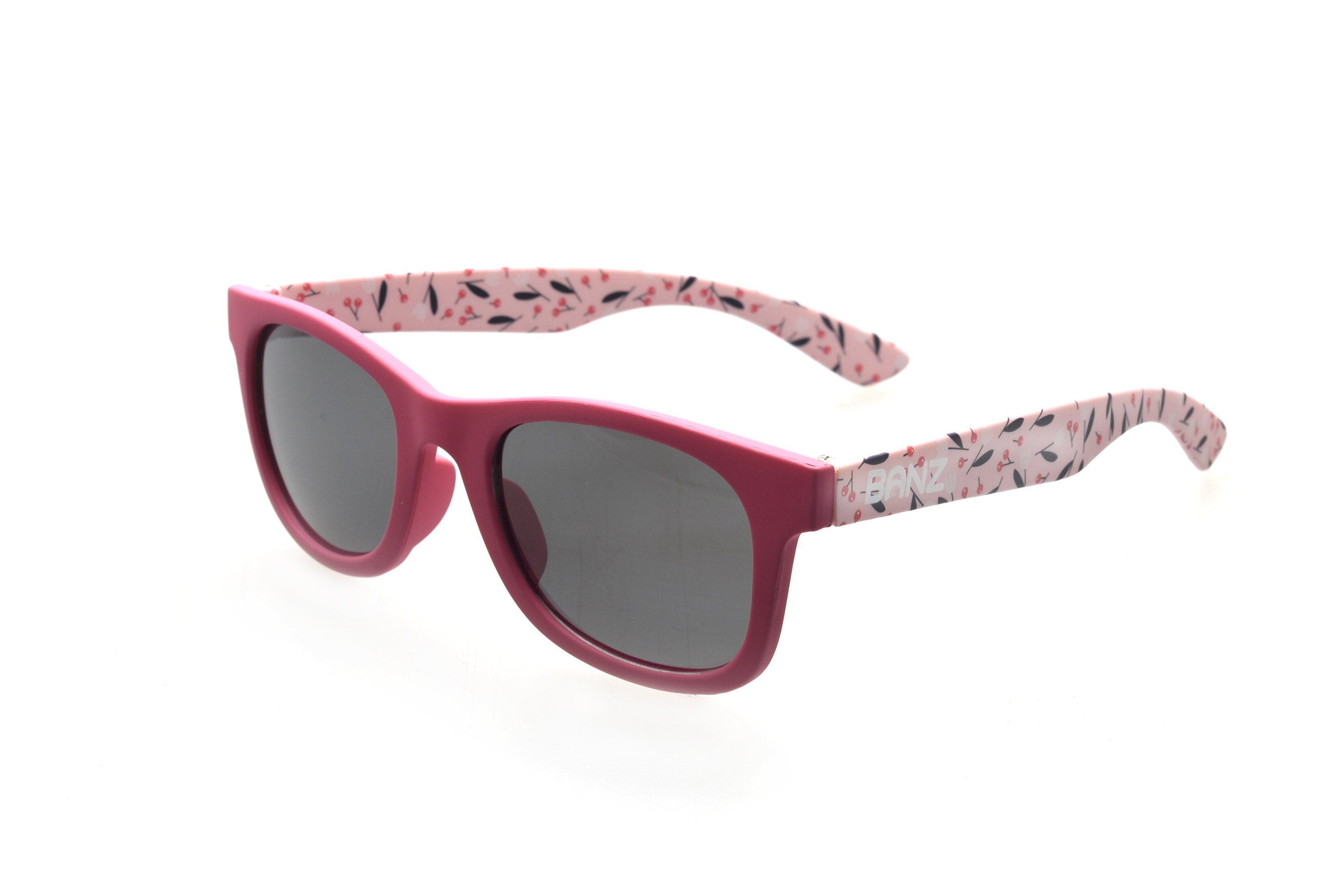
Ride harnesses and lap bars create real constraints that generic sun-safety advice tends to ignore. A wide-brim hat with a stiff structure can get knocked off or crushed against a headrest, and thick zip-up UPF jackets can bunch uncomfortably under a shoulder harness on faster rides.
Softer, packable hats with a chin toggle hold up better than stiff-brimmed styles because they flex instead of catching on padding. For sunglasses, choose a snug wraparound style with a strap rather than a loose-fitting pair that a harness can knock loose mid-ride. Lightweight, close-fitting UPF rash guards work better under harnesses than looser button shirts, since there’s no loose fabric to bunch or ride up. Sunscreen sticks are also the more harness-friendly reapplication tool, since a quick swipe on exposed skin at the ride exit doesn’t require unbuckling anything or digging through a bag while your child is strapped in.
BANZ® Picks That Round Out Your Park Kit
Once your layered plan is set, the gear you choose determines whether it actually gets used all day. The Children’s Sun Hat with UPF 50+ Protection and Pocket folds down small enough to stash in a diaper bag or stroller pocket, which solves the “where do I put this when it’s not on their head” problem most families run into by lunchtime. For families who want a dressier option for photos, the Hello Sunshine Sunhat with Sequins still delivers coverage without looking purely functional.
The Children’s Sun Hat with UPF 50+ Protection and Toggle is built for toddlers who treat hat removal as a game, since the adjustable toggle keeps it anchored through spinning rides and stroller naps alike.
Noise protection matters just as much on a day filled with parade music, ride mechanics, and crowd noise. The Baby Hearing Protection Earmuffs and the Baby Hearing Protection Earmuffs in prints both carry an NRR of 26dB, while older kids fit the Kids Hearing Protection Earmuffs in solid colors or the Kids Hearing Protection Earmuffs in prints. If you want eye and ear protection handled in one purchase, the Baby Hearing Protection Earmuffs and Wrap Around Sunglasses Combo Set pairs both without needing to size two separate items.
For sizing, match earmuffs to head circumference rather than age alone, since kids grow at different rates, and size hats to sit snug but not tight across the forehead so wind doesn’t take them on faster rides.
Shop the full BANZ® lineup and download the printable sun safety checklist and resource library before your next park trip, or pair your gear with the free BANZ Protect app for real-time UV alerts while you’re there.
Making Sun Safety a Family Habit
The families who stick with sun protection all day, not just at the entrance gate, tend to be the ones where a parent is visibly doing the same things they’re asking their kids to do. That’s not a guess. It’s what the research on parental role modeling actually shows.
Try running the printable checklist once before your next trip, and let the BANZ Protect app handle the UV reminders so you’re not the only one keeping track. If you run into gear or sizing questions along the way, the ask an expert page is there for exactly that.
— Shari M. Murphy
Sources
- PubMed study on parental role modeling and child sun protection
- How to protect kids from the sun | Children’s Hospital of Philadelphia
- Sun Safety at Summer Camp: Protecting campers today and for a lifetime | American Camp Association
- Should you put sunscreen on infants? | FDA
- Summer skin safety tips for kids | UCLA Health