

TL;DR:
- UPF 50+ cooling sleeves with silicone grippers and thumbholes provide reliable sun protection during outdoor activities. Selections vary from breathable mesh styles for high airflow to compressive, close-fitting options for sports like golf and tennis. Proper sizing, verified UPF certification, and suitable fabric technology ensure effective coverage and comfort.
The best UV protection sleeves for most outdoor activities are UPF 50+ cooling sleeves with silicone bicep grippers and thumbholes. They stay put during movement, provide strong UVA/UVB protection on covered skin, and outperform sunscreen for long-duration, high-sweat use. Here is a quick shortlist:
- Farmers Defense ProMesh-style sleeves — best for breathability in hot, high-airflow conditions
- OutdoorEssentials UPF 50+ sleeves on Amazon — best budget pick with broad retail availability
- Crazy Arms UV sport sleeves — best athletic fit for golf, tennis, and racket sports
- Generic UPF 50+ sun sleeves — best for straightforward coverage without specialty features
For hot and humid conditions, prioritize mesh or nylon-spandex blends with moisture-wicking. For high-sun days with kids, pair adult sleeves with dedicated children’s UPF gear. If you need hand coverage, choose a sleeve with a thumbhole.
Table of Contents
- How do the top UV protection sleeves compare?
- How to choose the right sun protection arm sleeves
- What fabrics and technologies actually block UV rays?
- How to measure and pick the right size
- How to wash UV sleeves so they last
- When are sleeves better than sunscreen?
- Key Takeaways
- What real-world sleeve use actually feels like
- Protecting kids from the sun: where BANZ fits in
- Useful sources for specs, certifications, and buying
How do the top UV protection sleeves compare?
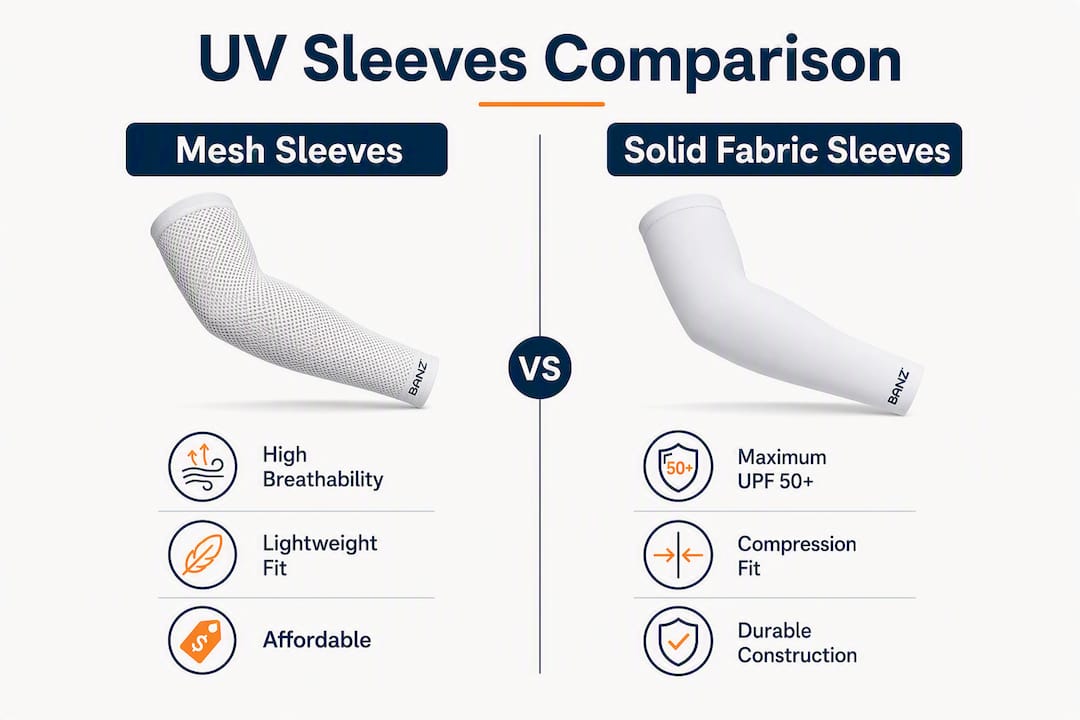
The four main sleeve types available to U.S. buyers differ most on fabric construction, fit, and cooling tech. Price and return policies vary by retailer.
| Product | UPF Rating | Material / Fabric | Breathability / Cooling | Fit & Compression | Length / Coverage | Price Range | Best Use Case | Returns / Warranty |
|---|---|---|---|---|---|---|---|---|
| Farmers Defense ProMesh | UPF 50+ | Open-mesh polyester | Maximum airflow | Relaxed, loose | Arm only | $15 | Farming, landscaping, hot outdoor work | Varies by retailer |
| OutdoorEssentials (Amazon) | UPF 50+ | Nylon-spandex blend | Moderate, moisture-wicking | Light compression | Arm only or thumbhole | $15 | Cycling, running, casual outdoor | Amazon return policy |
| Crazy Arms UV sport sleeves | UPF 50+ | Recycled polyester blend | Moderate, close-fit | Compressive, second-skin | Arm only | $30 | Golf, tennis, racket sports | Brand return policy |
| Generic UPF 50+ sun sleeves | UPF 50+ | Polyester or nylon blend | Basic wicking | Light to moderate | Arm only | $10 | Casual, driving, light outdoor | Retailer dependent |
Farmers Defense / ProMesh Protection Sleeves use an open-mesh construction that sets them apart from solid-fabric options. The mesh design lets air move freely across the arm, which matters most for workers and athletes in sustained heat. Coverage is arm-only on most models, so pair them with gloves if hand protection is needed.
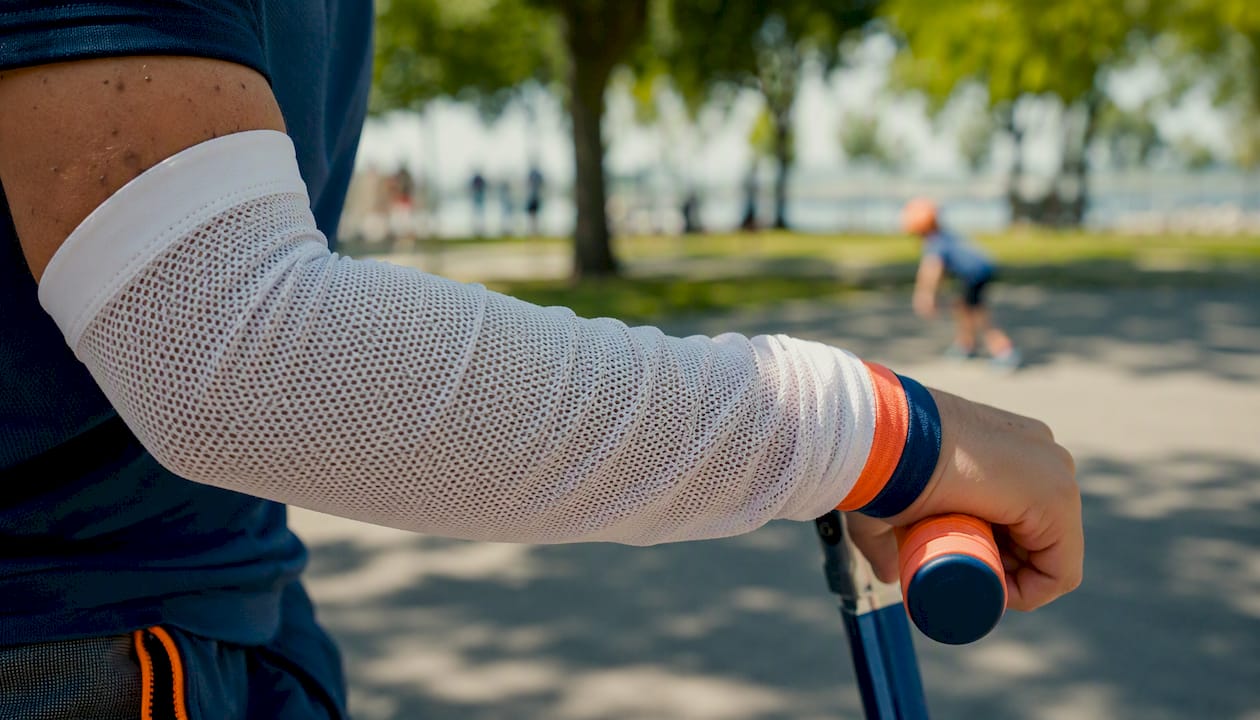
OutdoorEssentials UPF 50+ sleeves are the most accessible option for U.S. buyers. Sold through Amazon, they ship quickly and carry a standard return window. The nylon-spandex blend provides reliable sun protection that does not sweat off, making them a practical choice for cycling, running, and long outdoor days where reapplication is not realistic.
Crazy Arms UV sport sleeves are built for a close, second-skin fit. Some lines use recycled fabric, which appeals to buyers who factor sustainability into purchasing decisions. The compressive fit keeps them from shifting during swings or strokes, which is why golfers and racket-sport players favor them.
Generic UPF 50+ sun sleeves serve as the baseline category. You will find them across dozens of brands on Amazon, Walmart, and sporting goods retailers. They deliver the core UPF 50+ standard without specialty cooling tech or sport-specific construction. A good starting point if you want to test sleeve wear before committing to a premium model.
On price: spending more generally gets you better seam construction, certified fabric testing, and a more reliable gripper. Budget sleeves under $15 can work, but check that UPF certification is stated on the product page, not just implied by marketing copy. Always confirm the retailer’s return window before buying, especially for sizing.
How to choose the right sun protection arm sleeves
Matching a sleeve to your activity and climate takes about two minutes if you know what to check.
Must-have features checklist:
- UPF 50+ certification stated on the product page or spec sheet (not just a marketing claim)
- Silicone or elastic bicep gripper to prevent slipping during movement
- 4-way stretch fabric, low-profile seams, and thumbhole option for full-range motion and coverage
- Watch slot if you use a GPS or heart-rate monitor
- Clear sizing chart with bicep and arm-length measurements
Questions to ask before buying:
- Is the UPF rating certified by a lab, or is it a self-reported marketing claim?
- What is the fabric blend, and does it include moisture-wicking or cooling tech?
- Does the product page show a sizing chart with actual measurements?
- What is the return policy if the fit is wrong?
- Are care instructions listed, and do they specify avoiding fabric softener?
Red flags to avoid:
- No UPF number listed anywhere on the product page
- Sizing described only as “one size fits most” with no measurement guide
- Fabric described as slippery or smooth with no gripper mentioned
- Care instructions absent or vague (this often signals a topical UPF coating that degrades quickly)
- Marketing claims like “blocks 99.9% of UV” with no spec sheet or lab reference to back them
Activity-specific guidance:
- Cycling: Look for watch slots, thumbholes, and evaporative cooling tech like In-R-Cool® for long rides.
- Golf: Choose a compressive, second-skin fit (Crazy Arms style) that does not bunch under a glove.
- Running: Stitch-less or Acrofuse™-style seams and thumbholes reduce chafing on long efforts.
- Fishing: Full arm coverage with a thumbhole or hand extension; mesh fabric for airflow in direct sun.
- Casual driving or errands: Any UPF 50+ sleeve works; a relaxed fit is more comfortable for short wear.
Pro Tip: If you are between sizes, size down for a compressive fit that stays put, or size up for a relaxed fit that is easier to pull on and off. Silicone grippers outperform elastic-only bands for keeping sleeves in place during high-movement activities.
What fabrics and technologies actually block UV rays?
UPF (Ultraviolet Protection Factor) measures how much UV radiation a fabric blocks. A UPF 50+ rating means the fabric blocks over 98% of UVA and UVB rays on covered skin. SPF, by contrast, applies only to sunscreen and measures protection against UVB. The two scales are not directly comparable.
Fabric choice drives UPF performance, breathability, and cooling. Here is how common materials stack up:
| Fabric Type | UPF Reliability | Breathability | Cooling Effect | Care Sensitivity |
|---|---|---|---|---|
| Nylon-spandex blend | High (inherent) | Moderate | Moderate wicking | Low |
| Polyester / 37.5™ tech | High (inherent) | High | Active evaporative | Moderate |
| Recycled polyester | High (inherent) | Moderate | Moderate wicking | Low |
| Bamboo viscose | Moderate (can degrade) | High | Passive cooling | High |
| Open mesh polyester | High (inherent) | Very high | Airflow-dependent | Low |
Nylon-spandex blends are the most common and reliable. Polyester fabrics using 37.5™ or similar tech actively pull moisture away and release it as vapor, which is how evaporative cooling sleeves can feel up to 30°F cooler when activated by sweat or water. Bamboo viscose feels soft and breathes well but can lose UPF performance if the weave loosens after repeated washing. Mesh construction (as used in Farmers Defense ProMesh-style sleeves) maximizes airflow but relies on tight weave density to maintain UPF.
Stat: UPF 50+ certified fabrics block over 98% of UVA and UVB rays on covered skin, and this level is recommended by dermatologists for sun-exposed areas. Some product pages claim up to 99.9% UV blocking, but the scientific standard and dermatologist recommendation is >98% for certified UPF 50+.
One point worth knowing: if UPF is an inherent property of the fiber (nylon, polyester, recycled blends), it does not wash out. If UPF comes from a topical chemical coating applied after weaving, repeated washing degrades it. Always check whether the product page specifies inherent or coated UPF. For a deeper look at how moisture-wicking sun protection works, BANZ covers the fabric science in detail.
UV-blocking performance in fabrics follows similar principles whether the application is clothing or architectural textiles. Fabric weave density and fiber type are the two variables that matter most, a point confirmed across UV-protective textile research in both apparel and outdoor shading applications.
How to measure and pick the right size
Getting the fit right is the single biggest factor in whether a sleeve stays put or slides down mid-activity.
Step-by-step measuring guide:
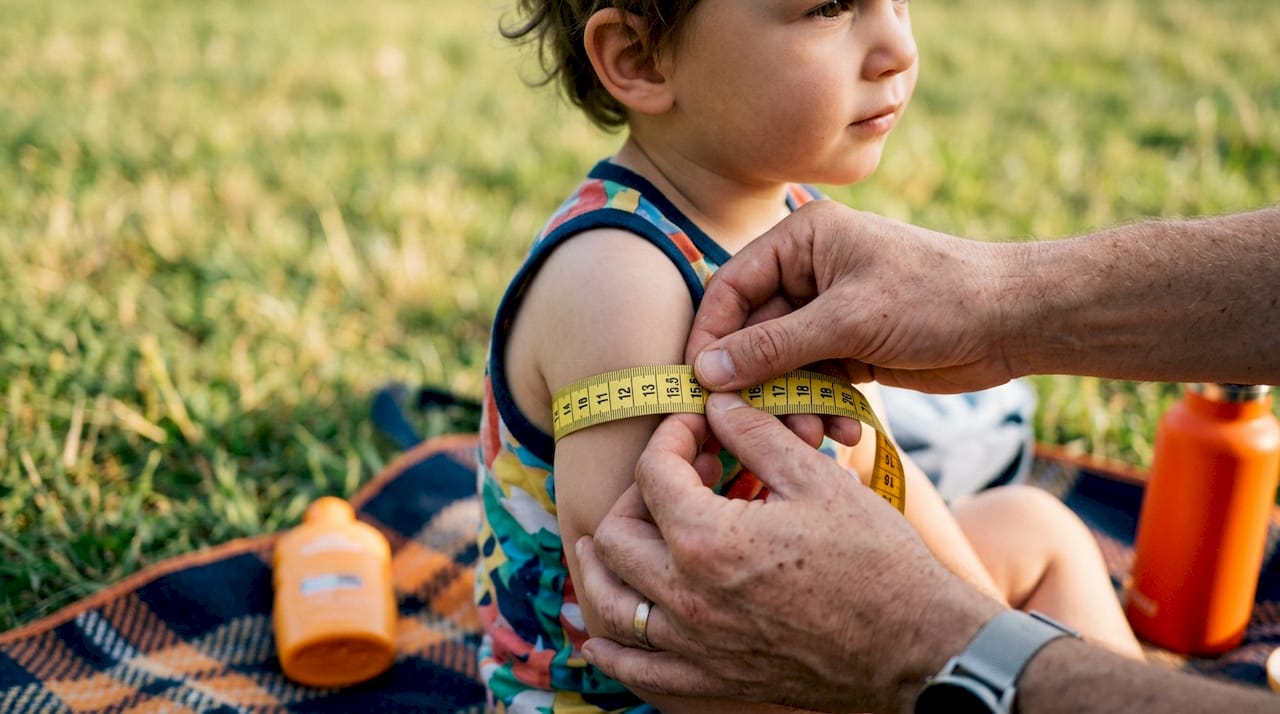
- Flex your bicep slightly and wrap a soft tape measure around the widest point. Note the circumference in inches.
- Measure arm length from the top of your shoulder to your wrist bone.
- Compare both measurements against the brand’s sizing chart. When measurements fall between sizes, use the bicep measurement as the primary guide.
- If the brand offers a thumbhole, measure to your knuckle line to confirm the sleeve length covers your wrist fully when the thumbhole is in use.
Illustrative sizing reference (typical ranges — always verify against the brand’s own chart):
| Size | Bicep Circumference | Arm Length | Expected Fit |
|---|---|---|---|
| S | 10 in | 19 in | Compressive |
| M | 12 in | 19 in | Moderate compression |
| L | 14 in | 21 in | Light compression |
| XL | 16 in | 23 in | Relaxed to light |
Very slim arms often slip through standard elastic bands even at the smallest size. Silicone grippers and multiple size options reduce slippage better than elastic alone, so look for brands that offer XS or extra-narrow sizing if standard smalls are too loose. Very muscular arms may need a size up in circumference even if arm length fits a smaller size.
Thumbhole sleeves extend coverage to the back of the hand and prevent the sleeve from riding up. Wrist-only designs are easier to put on and take off but leave a gap at the wrist during movement. For fishing or cycling, thumbholes are worth the minor inconvenience.
Pro Tip: Manufacturer spec sheets and clear sizing charts are a reliable quality signal. If a brand does not publish a sizing chart with actual measurements, that is a reason to look elsewhere.
For kids, adult sizing does not scale down reliably. Children’s arms are proportionally shorter and narrower, and adult sleeves bunch or slip. BANZ’s UPF 50+ guidance for kids covers what parents need to know when choosing protective clothing for children at different ages.
How to wash UV sleeves so they last
Proper care keeps UPF performance and fabric stretch intact. Most UV blocking sleeves are straightforward to wash, but a few specifics matter.
Care checklist:
- Machine wash cold on a gentle cycle
- Skip fabric softener entirely — it coats fibers and degrades moisture-wicking and cooling performance over time
- Tumble dry on low heat, or air-dry flat to preserve stretch
- No bleach; it breaks down fiber structure and can compromise UPF
- Follow the manufacturer’s specific instructions, especially for sleeves with 37.5™ or activated-cooling tech
Replacement timing depends on stretch and coverage. When the bicep gripper no longer holds, or when the fabric has thinned visibly at the elbow or wrist, the sleeve is past its useful life. Compressive sleeves that have lost elasticity also lose their ability to stay in place, which creates coverage gaps.
Pro Tip: Evaporative cooling sleeves work best when slightly damp. For maximum cooling effect during a long ride or run, dampen the sleeve with water before putting it on. Avoid fabric softener at all costs — it blocks the moisture-transfer mechanism that makes the cooling work.
If a product’s care instructions are vague or missing, contact the seller directly before washing. Some coated-UPF sleeves require hand-wash only. If the seller cannot provide care details, check the return policy and consider a different brand.
When are sleeves better than sunscreen?
For covered skin during long outdoor activities, sleeves are the more reliable option. Sun protection from sleeves does not sweat off, which matters on a four-hour bike ride, a full round of golf, or a day of fishing where reapplication is not practical.
Sunscreen still has a role. Sleeves cover the arm; they do not cover the face, neck, hands, or any skin left exposed. The practical combination:
- Sleeves on the arms
- Sunscreen on the face, neck, ears, and hands
- Reapply sunscreen on exposed skin per label instructions (typically every two hours, or after heavy sweating)
Stat: UPF 50+ sleeves block over 98% of UVA and UVB rays on covered skin — a certified level of protection that no sunscreen maintains consistently through sweat, water, and time without reapplication. Athletes who push sleeves up to check a watch or adjust a device create an unprotected gap at the wrist or forearm. Watch slots solve this by giving device access without moving the sleeve. Thumbholes close the gap between sleeve and glove for hand coverage.
Practical pairing guide:
- High-sweat activity (running, cycling): sleeves on arms, sunscreen on all exposed skin, reapply sunscreen every two hours
- Golf or tennis: compressive sleeve stays in place through swings; sunscreen on face and neck
- Fishing: full-coverage sleeve with thumbhole; sunscreen on face and the back of hands if no glove
Pro Tip: Keep a travel-size sunscreen in your kit for face and neck reapplication. Sleeves handle the arms; sunscreen handles everything else. Together, they cover the gaps that either alone would leave.
Clothing-based UV protection also reduces long-term skin risk beyond what sunscreen alone provides. BANZ’s resource on how UV awareness reduces long-term risk covers this in the context of family outdoor habits.
Key Takeaways
UPF 50+ cooling sleeves with silicone grippers and thumbholes give the most reliable sun protection for active outdoor use across cycling, golf, running, and fishing.
| Point | Details |
|---|---|
| UPF 50+ is the standard | Choose sleeves that state UPF 50+ certification on the spec sheet, not just in marketing copy. |
| Grippers and thumbholes matter | Silicone bicep grippers and thumbholes prevent slipping and close coverage gaps during movement. |
| Fabric type determines cooling | Nylon-spandex and polyester blends with wicking tech outperform bamboo viscose for active use. |
| Measure before you buy | Use bicep circumference as the primary sizing guide; verify against the brand’s actual sizing chart. |
| BANZ for kids | BANZ’s UPF 50+ children’s gear and UV safety resources complement adult sleeve purchases for families. |
Measure your arm, confirm UPF certification on the product page, and compare the shortlisted models on retailer pages before adding to cart.
What real-world sleeve use actually feels like
Wearing UV blocking sleeves through a long outdoor day is a different experience than reading a spec sheet suggests. The first thing you notice is how quickly you stop thinking about them. A well-fitted sleeve with a silicone gripper stays put through a full bike ride without needing to be pulled back up. A loose one without a gripper slides to the elbow within the first twenty minutes and creates a frustrating gap right where sun exposure is highest.
Cooling tech is real but conditional. Sleeves with evaporative fabric feel noticeably cooler when you are moving and sweating. At rest in direct sun, the effect is less pronounced. Thumbholes are worth using if you are outdoors for more than an hour; they prevent the sleeve from bunching at the wrist and keep coverage consistent when you reach forward or extend your arm.
Parents at the beach or park face a different set of trade-offs. Adult sleeves do not fit children reliably, and a sleeve that slips on a child is not protecting them. Pairing your own sleeves with purpose-built kids’ UV gear is the practical answer.
One tip from regular sleeve users: keep a spare pair in the car. Sleeves are compact, and having a backup means you are covered on unplanned outdoor stops where sunscreen is not in reach.
Protecting kids from the sun: where BANZ fits in
Adult UV protection sleeves are built for adult arms. For children, the fit, sizing, and safety considerations are different enough that a separate solution is the right call.
BANZ designs UPF 50+ sun protection specifically for children, including sunglasses, sun hats, and swimwear sized and constructed for kids’ proportions. The free BANZ Protect app adds real-time UV monitoring so parents can track exposure during outdoor activities. These products work alongside adult sleeve purchases: you wear your sleeves, your child wears their BANZ gear, and the whole family is covered.
For parents building a complete sun-safety kit, BANZ’s UV safety resources and UV Index guide is a practical starting point. It covers UV Index thresholds, recommended protection by activity, and how to layer clothing-based and sunscreen protection for kids at different ages. Check the outdoor sun safety gear guide for kids to see how sleeves, hats, and sunglasses work together as a system.
Useful sources for specs, certifications, and buying
Before purchasing, verify UPF claims on manufacturer spec sheets and confirm return policies on retailer pages. These sources are worth bookmarking:
- OutdoorEssentials UPF 50+ sleeves on Amazon — product listing with customer reviews, sizing info, and Amazon’s return policy; a practical reference for budget-range buyers.
- PEARL iZUMi Sun Arm Sleeves — cycling-specific sleeve page with sizing charts and tech specs; good model for what a complete manufacturer spec page should look like.
- BANZ UPF 50 Explained — clear breakdown of what the UPF rating measures and how it applies to clothing-based sun protection.
- BANZ UV Protect Your Kids Guide — comprehensive family resource covering UV risk, protection strategies, and product selection for children.
When reading any product page, look for a lab-tested UPF number, a fabric composition list, and a sizing chart with actual measurements. If any of those three are missing, contact the seller before buying.
