

Earmuffs are the better default for babies, toddlers, and most loud events because they need no insertion and carry zero choking risk, while earplugs become a practical option for children around age 6 and up once they can handle small objects safely and follow instructions. For concerts and fireworks, look for a noise reduction rating that experts generally recommend for effective protection. For extreme peak noise, some parents combine both.
TL;DR:
- Earmuffs are ideal for children under 6 because they require no insertion and pose no choking hazard, making them safer and easier to fit.
- Earplugs can provide higher noise reduction but are unsuitable for kids under 5 to 6 due to choking risks and the difficulty of proper fitting.
- For loud events like fireworks or concerts, earmuffs with a noise reduction rating of 22 to 30 decibels are recommended for children under 6, while older kids may use both protection types layered for peak noise.
- Correct fit checks, supervision, and gradual introduction are essential for effective and comfortable use of ear protection, especially with earplugs.
- Combining earmuffs and earplugs offers limited extra attenuation and should be reserved for extreme noise exposure situations.
Table of Contents
- Earmuffs vs Earplugs for Kids: A Quick Comparison
- How Do Earmuffs Protect a Child’s Hearing?
- When Are Earplugs Right for a Child?
- What Age and Safety Rules Should Parents Follow?
- Which Format Fits Each Activity?
- How Do You Train a Child to Wear Ear Protection?
- Should You Combine Earmuffs and Earplugs?
- What Actually Matters More Than the Spec Sheet?
- Where to Find Ear Protection Built for Your Child’s Age
- Sources
- FAQ
Earmuffs vs Earplugs for Kids: A Quick Comparison
Choosing between the two often comes down to your child’s age and where you’re headed. Here’s how they stack up side by side:
- Protection consistency: Earmuffs seal evenly around the ear every time they’re placed correctly; earplugs depend on a snug insertion that young kids often get wrong.
- Fit and safety: Earmuffs have no small parts to swallow; earplugs pose a choking hazard for children who still put things in their mouths.
- Convenience: Earmuffs slip on and off in seconds; earplugs take practice and small fingers.
- Water exposure: Waterproof earplugs work for swimming; standard earmuffs don’t.
- Discretion: Earplugs are nearly invisible for tweens who don’t want to stand out; earmuffs are bulkier but easier to monitor from across a room.
For flights, classrooms, and fireworks displays, earmuffs are usually the simpler call. For swimming or when a teen wants something low-profile, earplugs make more sense. Whichever you choose, check the noise reduction rating (NRR) on the packaging and pick a size actually made for kids, not an adult product scaled down.
How Do Earmuffs Protect a Child’s Hearing?
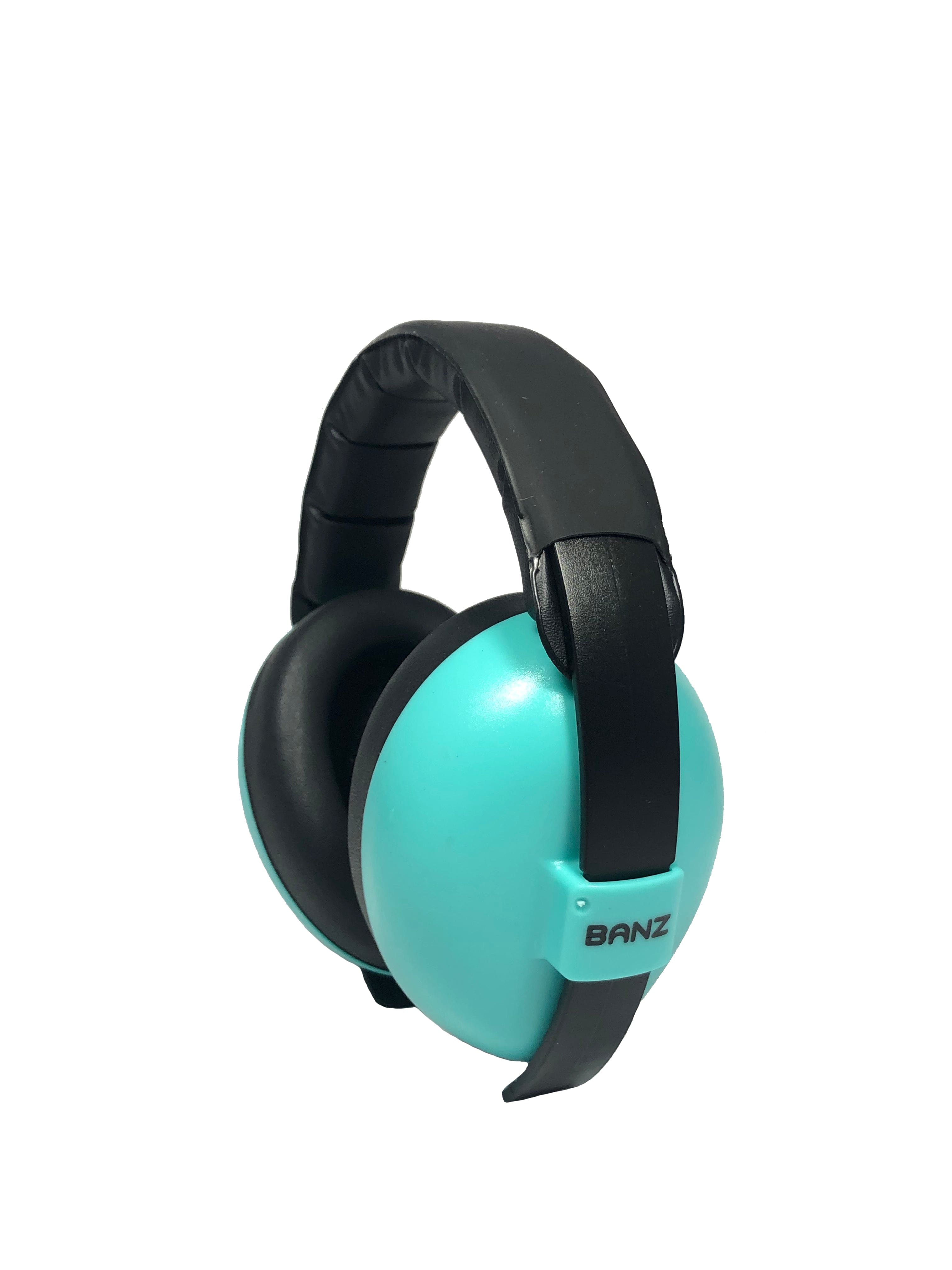
Earmuffs work through passive attenuation: two sealed cups sit over the outer ear and block sound waves from reaching the ear canal, connected by a padded headband that holds the seal in place. Most children’s earmuffs carry a noise reduction rating that is sufficient to significantly lower loud noises like fireworks to safer levels when worn correctly.
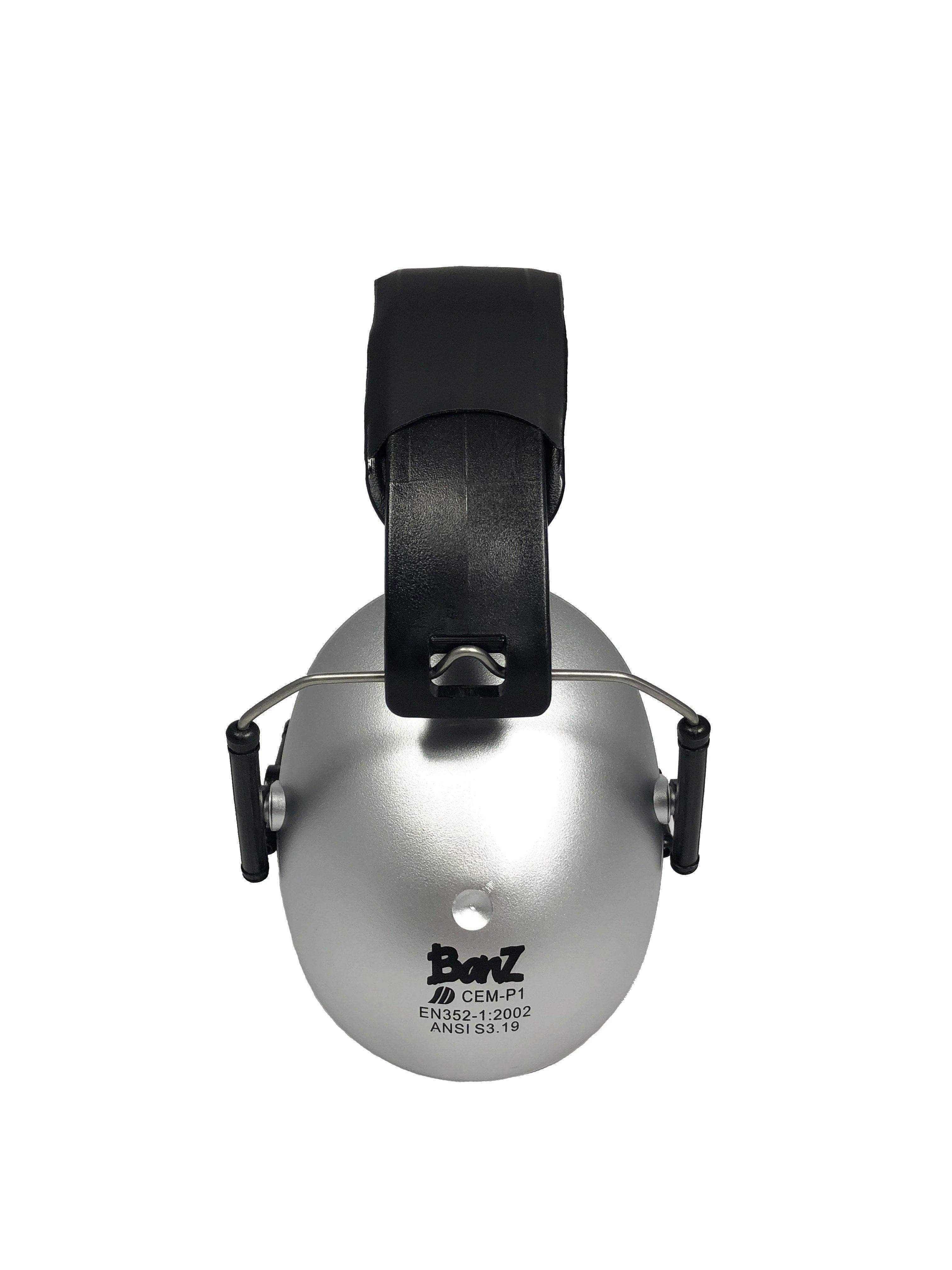
That’s exactly why earmuffs suit infants and toddlers so well. There’s nothing to insert, nothing to lose, and no risk of a piece breaking off and becoming a choking hazard. The NIDCD points to earmuffs as the more manageable option for young children precisely because of this hands-off design.
A good fit check takes under a minute:
- Press gently on each cup and confirm the padding seals fully around the pinna with no gaps.
- Check that the headband sits snug but doesn’t pinch, leaving no red marks after ten minutes of wear.
- Have your child shake their head side to side; the cups shouldn’t shift or slide.
The trade-off: earmuffs aren’t waterproof, and glasses or a winter hat can break the seal along the edge of the cup.
Pro Tip: Try the earmuffs on your child at home during a calm moment before the actual event. A first-time fit under a fireworks show is a recipe for a meltdown.
When Are Earplugs Right for a Child?
Earplugs come in three main types with varying noise reduction capabilities: foam plugs, pre-molded silicone plugs easier for small hands, and filtered or high-fidelity plugs designed to preserve speech clarity, useful for settings like school or concerts. The NIDCD notes filtered designs are worth considering wherever hearing detail matters more than blanket noise blocking.
Earplugs are generally not appropriate for children under roughly 5 to 6 years old, mainly because of choking risk and because younger ear canals often don’t hold a plug securely. UCSF Otolaryngology recommends direct parental supervision the first several times any child under 7 uses them, even once they’re age-appropriate.
Fitting them correctly matters as much as choosing the right type:
- Wash hands before handling the plug to avoid introducing dirt into the ear canal.
- Roll a foam plug into a thin cylinder, or shape silicone to fit the outer ear.
- Pull the outer ear up and back gently to straighten the canal.
- Insert slowly until snug, never forcing it in.
- Hold for a few seconds so foam plugs can expand fully.
A loose or partial fit can cut the effective NRR by half or more. Earplugs shine for swimming (waterproof silicone versions), travel days, and discreet use for tweens who don’t want visible ear gear at school.
What Age and Safety Rules Should Parents Follow?
Age thresholds exist for real anatomical and developmental reasons, not arbitrary caution. Younger ear canals are narrower and shaped differently than an older child’s, which makes a secure, comfortable plug fit harder to achieve. Choking risk is the bigger factor: any child who still mouths objects is a poor candidate for earplugs, regardless of age on paper.
A few signs suggest a child is ready to try earplugs:
- They reliably follow two or three step instructions without a reminder.
- They can handle small objects (coins, beads, puzzle pieces) without putting them in their mouth.
- They can communicate discomfort or a poor fit clearly.
Until those boxes are checked, UCSF’s guidance points parents toward earmuffs by default. Even after a child clears those milestones, keep a supervision checklist handy: check the fit before the noise starts, recheck it if your child touches or pulls at the plug, and remove earplugs immediately if a child complains of pain rather than muffled sound. Skip earplugs entirely for children with frequent ear infections, tubes, or any condition your pediatrician has flagged. Learning how infant hearing develops in the first year also helps explain why the youngest ears need the gentlest, lowest-risk option available.
Which Format Fits Each Activity?
Matching the product to the actual event matters more than chasing the highest NRR number on the shelf.
- Concerts and fireworks: Earmuffs for kids under 6; either format works for older kids. Target NRR 22 to 30 decibels.
- Flights: Earmuffs for babies and toddlers, who also benefit from the pressure comfort; earplugs work fine for school-age kids.
- Classroom or study time: Filtered earplugs for older kids who need to hear a teacher while dulling background noise.
- Swimming: Waterproof earplugs only. Earmuffs aren’t built for water.
- Sports events: Earmuffs for younger siblings on the sideline; foam earplugs for older kids in the stands.
For genuinely extreme peak exposure, like standing close to a fireworks launch site, some parents layer both. Comfort and communication get harder to manage the closer to the noise source you sit, so a seat further back is often the simpler fix than doubling up on gear.
How Do You Train a Child to Wear Ear Protection?
Getting a child to actually keep protection on beats any spec sheet. Try this at home, away from any real noise:
- Let your child hold and examine the earmuffs or earplugs with no pressure to wear them yet.
- Have them wear the gear for five minutes during a quiet, familiar activity like reading or watching a show.
- Gradually add mild background noise (a vacuum, a blender) so the sensation of muffled sound becomes familiar.
For earplugs specifically, walk through the insertion steps together slowly, and let your child practice on their own hands first before their ears. Sensory-sensitive kids often do better with a slow introduction and a step-by-step approach for sensory sensitive children, and it’s worth reading more on hearing protection for kids with sensory sensitivities before a big event. Clean earmuff cushions with a damp cloth and let foam plugs air dry fully between uses.
Pro Tip: Pair practice sessions with the free BANZ Protect app, which tracks real-time noise levels around your child so you know exactly when protection is actually needed, not just when you assume it is.
Should You Combine Earmuffs and Earplugs?
Wearing both together does add extra attenuation, useful for peak exposures like standing near a fireworks launch or a jet flyover, but the combined benefit is limited by bone conduction. Sound still reaches the inner ear partly through skull vibration, so doubling up rarely doubles the protection. For most family outings, one well-fitted layer is enough. Reserve dual protection for genuinely extreme, short-duration blasts, and expect some comfort and communication trade-offs when you use both at once.
What Actually Matters More Than the Spec Sheet?
Parents chase the highest NRR number on the box, but the protector a child will actually keep on beats one they rip off after ten minutes. Padded headbands, lighter crowns, and prints kids like to look at all increase real-world wear time, and that matters more than a few extra decibels on paper. Supervision and short practice sessions before the real event aren’t optional extras. They’re what makes any hearing protection work at all.
— Shari M. Murphy
Where to Find Ear Protection Built for Your Child’s Age
BANZ designs hearing protection around the age gap that trips up most families: what works for a newborn is wrong for a 7 year old, and generic adult earmuffs shrunk down rarely fit either one well. Baby Hearing Protection Earmuffs are built for infants who can’t handle any insertion risk, with a soft, low-profile fit designed for the smallest heads. Once kids are old enough to have opinions about what’s on their head, Kids Hearing Protection Earmuffs - Solids and Kids Hearing Protection Earmuffs - Prints give parents a size built for growing ears, in a design their child will actually want to wear at a concert, ballgame, or fireworks display.
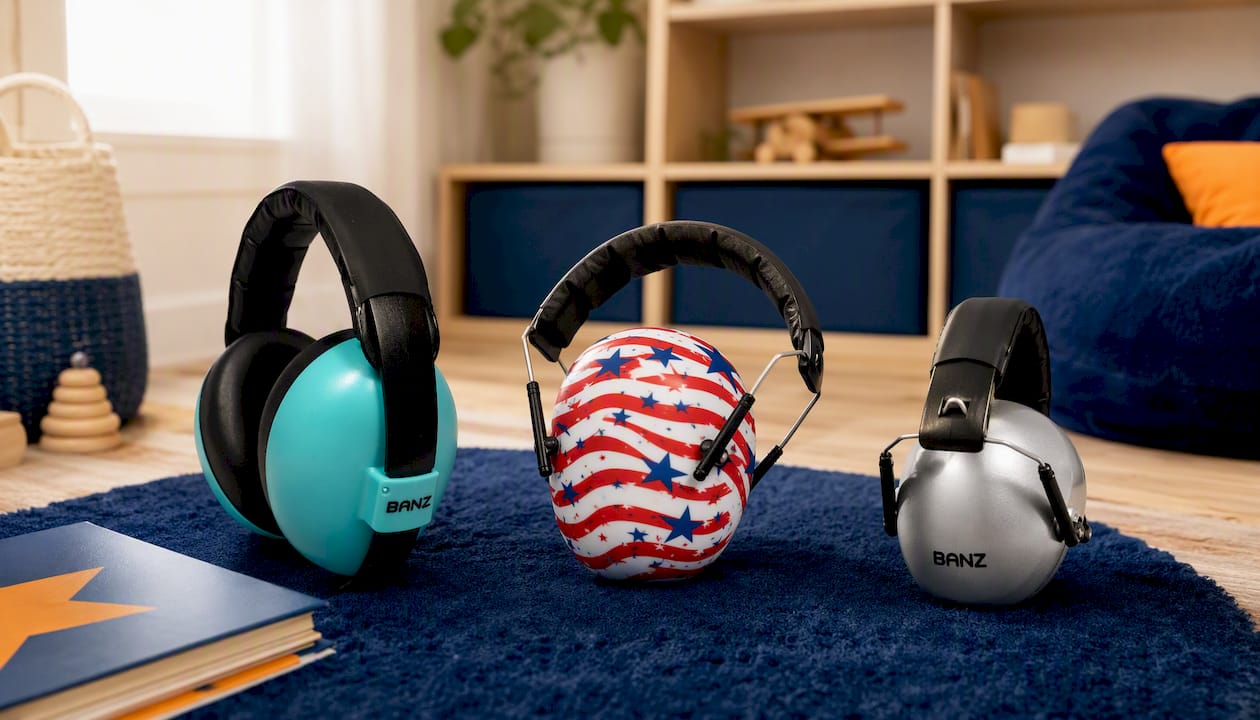
Every pair pairs naturally with the free BANZ Protect app, which flags rising noise levels in real time so you’re not guessing when to reach for the earmuffs. Browse the BANZ ear protection collection and pick the fit that matches your child’s age and your family’s next loud outing.
Sources
Guidance in this article draws on the NIDCD’s hearing protection guide, UCSF Otolaryngology’s fitting recommendations, and NIOSH’s noise exposure resources.
This article is general information, not a substitute for advice from a qualified doctor. Consult a qualified healthcare professional about your own circumstances before acting on anything here.
FAQ
Are earmuffs more effective than earplugs?
Neither is universally more effective; earmuffs offer more consistent protection because fit doesn’t depend on insertion, while a properly fitted foam earplug can reach a higher NRR than most earmuffs.
What age can kids wear earplugs?
Earplugs are generally not recommended for children under about 5 to 6 years old due to choking risk, and parental supervision is advised even after that age, per UCSF guidance.
What are the downsides of using earmuffs?
Earmuffs aren’t waterproof, can lose their seal around glasses or hats, and are bulkier to pack than earplugs, though they remain far safer for infants and toddlers.
What is the best hearing protection for kids?
Earmuffs designed specifically for a child’s age, like BANZ’s baby and kids earmuffs, are typically the safest starting point, with earplugs added later once a child is old enough to use them without supervision risk.