

Use a layered approach for swim lessons sun protection: UPF 50+ swim clothing, broad-spectrum, water-resistant SPF 30+ sunscreen applied 15 to 30 minutes before exposure, and scheduled shade with reapplication after every swim. That combination covers the gaps each method leaves alone. You’ll find product picks to round out your pool bag later in this guide, but the routine below is what actually keeps your child’s skin protected class after class.
TL;DR:
- UPF 50+ clothing offers continuous UV protection and should be the foundation of any swim lessons sun safety plan, outperforming sunscreen alone.
- Reapplication of water-resistant SPF 30+ is essential every two hours or after swimming, but it does not withstand water exposure for an entire lesson without reapplication.
- Packing a UPF shirt, wide-brim hat, and shade is crucial, especially at outdoor pools with little natural cover, to prevent sunburns during extended waiting periods.
- Scheduling lessons outside peak UV hours between 10 a.m. and 4 p.m. significantly reduces exposure, while shade structures and water breaks help manage unavoidable peak times.
- Consistent post-lesson routines, including reapplying sunscreen, changing into dry clothes, and using UV-protective goggles, help minimize late-stage sun exposure risks.
Table of Contents
- What to Pack for Swim Lessons Sun Protection
- Sunscreen Rules That Actually Work for Swim Lessons
- Why UPF 50+ Clothing Should Lead Your Sun Protection Plan
- Scheduling Lessons Around Peak UV Hours
- What to Do During and Right After Class
- Special Guidance for Babies and Sensitive Skin
- The Pool Cool Evidence Behind Sun-Safe Swim Habits
- A Simple Pre and Post Lesson Routine Worth Copying
- Shop BANZ Sun Protection for Swim Lessons
- Sources
What to Pack for Swim Lessons Sun Protection
Most sunburns at swim lessons happen because something got left in the car, not because parents didn’t care. A tight packing list fixes that.
Here’s what belongs in every swim bag:
- UPF swim shirt or rash guard worn to and from the pool deck, not just in the water
- Wide-brim hat for the minutes before and after class, when kids are standing around in full sun
- Sun-protective swimwear with built-in UPF rating instead of a standard cotton-blend suit
- Broad-spectrum, water-resistant SPF 30+ sunscreen, plus a small travel pump for quick reapplication
- Sunglasses or swim goggles with UV protection
- Towel and a pop-up shade or umbrella for the sidelines
- Water bottle, dry clothes, and water shoes for hot pool decks
If your child’s lessons run at an outdoor facility with little natural shade, a Shelta Sun Shelter UV Tent or a compact SHELTA Noosa Beach Umbrella gives waiting siblings and parents a shaded spot too, since you’re standing poolside just as long as your child is swimming.
Pro Tip: Pack sunscreen and the UPF shirt in the same zip pocket every time. When gear lives together, it leaves the house together.
Sunscreen Rules That Actually Work for Swim Lessons
The label “water-resistant” doesn’t mean waterproof. It means the sunscreen holds up for a specific window, usually 40 or 80 minutes, before it needs to go back on. That distinction matters for a 45-minute lesson that runs long or includes extra pool time.
Follow this sequence for real protection:
- Apply at home, 15 to 30 minutes before you leave, so the sunscreen has time to bind to skin instead of washing off in the first few minutes of swimming.
- Use enough product. A shot-glass amount covers an average child’s body; skimping cuts the effective SPF significantly.
- Hit the missed spots: ears, back of the neck, tops of feet, and the part line on the scalp.
- Reapply after swimming, after toweling off, or at minimum every two hours, whichever comes first.
Quick fact: Water reflects and transmits UV light, so UV rays penetrate shallow pool water well enough that a swimmer submerged to the shoulders still absorbs meaningful exposure.
For a wriggly toddler, applying at home on dry skin beats fighting them poolside. Set up a mini “application station” with a pump bottle in your bag so a second adult can top up mid lesson without hunting for a tube.
Why UPF 50+ Clothing Should Lead Your Sun Protection Plan
Sunscreen wears off. Fabric doesn’t. That’s the core reason UPF clothing deserves top billing in any swim lessons sun protection plan, not sunscreen alone.
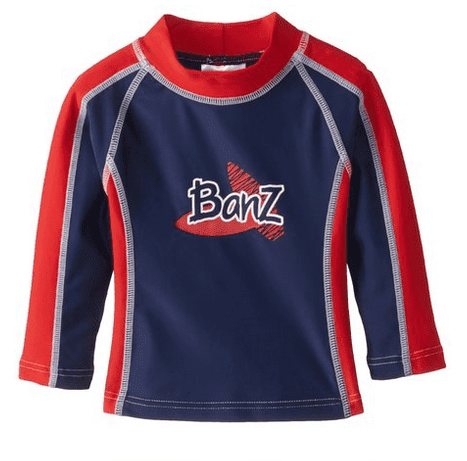
UPF (Ultraviolet Protection Factor) measures how much UV radiation a fabric blocks, while SPF measures sunscreen’s delay of skin reddening. They’re different tests for different materials. UPF 50+ fabric blocks about 98% of UV radiation, consistently, for as long as the child wears it.
For swim lessons specifically, look for:
- Full torso and shoulder coverage, since instructors often keep kids arms-up and exposed during drills
- A tight, tightly woven fabric weave (looser knits let more UV through even at the same fiber content)
- Long sleeves when the schedule allows, especially for backstroke-heavy lessons
Think of UPF clothing as your base layer and sunscreen as the patch for whatever skin the fabric doesn’t cover: face, hands, and feet. A UPF swim shirt combined with sunscreen on exposed skin outperforms either approach alone, and a rash guard and board shorts set works for most lesson formats without restricting movement.
Scheduling Lessons Around Peak UV Hours
The single easiest lever you control is timing. UV intensity peaks roughly between 10 a.m. and 4 p.m., so booking lessons before or after that window cuts cumulative exposure without changing anything about gear or sunscreen.
When peak-hour lessons are unavoidable, build shade into the routine:
- Set up a pop-up shelter or umbrella at the pool’s edge before class starts
- Rotate kids to shade during instructor breaks rather than leaving them on open deck
- Offer water every 20 to 30 minutes, and watch for flushed skin, dizziness, or fatigue, which are early heat-illness signs
- Ask the swim program directly whether their pool deck has fixed shade structures
What to Do During and Right After Class
The highest-risk moment for sun exposure isn’t during the lesson. It’s the ten minutes after, when a soaked child stands on a hot deck in wet, sun-degraded sunscreen.
Reapply sunscreen the moment your child comes out of the water and towels off, even if class isn’t quite over. If the lesson runs past two hours, reapply again regardless of swim breaks.
- Switch to UV-protective swim goggles or sunglasses the second your child is out of the pool
- Change into dry clothes before the next sunscreen application, since product doesn’t adhere well to wet skin
- Check shoulders, nose, and scalp part line for early pinkness
- Slip on water shoes before crossing hot concrete or pavers
Pro Tip: Keep a second, smaller sunscreen tube in a mesh bag clipped to your pool bag. It survives wet hands and chlorine splash better than a bottle buried under towels.
Special Guidance for Babies and Sensitive Skin
Babies under six months old need a different approach entirely. Shade and clothing come first; the CDC and most pediatric guidance recommend avoiding sunscreen on infants this young except on small exposed patches, and only after checking with your pediatrician.
For sensitive or eczema-prone skin at any age, patch-test a new sunscreen on the inner arm 24 hours before lesson day, and choose fragrance-free, mineral-based formulas made for children.
One detail parents often miss: certain medications, including some antibiotics and acne treatments, increase photosensitivity. If your child takes a prescription medication, ask their clinician whether it affects sun exposure risk before swim season starts.
The Pool Cool Evidence Behind Sun-Safe Swim Habits
Sun-safety habits taught during lessons stick, and there’s a controlled trial to back that up. The Pool Cool program’s randomized trial across 28 pools found measurable improvements in sunscreen use, shade-seeking, and a real drop in sunburns among children whose pools adopted the program’s short, repeatable lessons.
Pool Cool built its curriculum around four simple rules: use sunscreen, cover up, protect eyes and face, and seek shade. Programs that repeated these messages during regular swim lessons saw better sun-protection behavior than those that didn’t.
Ask your child’s swim program whether they follow anything similar, whether sunscreen stations exist poolside, and whether shade breaks are built into the lesson plan. Pairing those program-level habits with UPF gear at home, tracked through tools like the free BANZ Protect app for real-time UV readings, closes the loop between what the pool teaches and what you reinforce at home.
A Simple Pre and Post Lesson Routine Worth Copying
My own routine is unglamorous but consistent: sunscreen goes on 30 minutes before we leave the house, the UPF shirt and hat go in the bag by the door, and the moment my daughter towels off after class, sunscreen goes back on before she touches dry clothes. Water breaks happen whether she asks or not.
None of this requires new gear you don’t already own, though the shop link below covers what’s worth adding.
— Shari M. Murphy
Shop BANZ Sun Protection for Swim Lessons
BANZ solves the part of this checklist that’s easiest to get wrong: buying UPF gear that fits right, dries fast, and actually gets worn again next week instead of shoved in a drawer after one lesson. Every piece below is built to UPF 50+ standards specifically for kids at the pool, not repurposed beachwear.
Start with the basics your child will wear every single week:
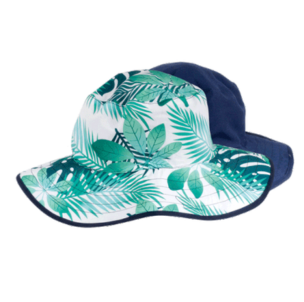
- Sun hats with UPF 50+ protection, in a pocket-fit toggle style or a secure toggle chin strap that stays on during drills
- A dressier option like the Hello Sunshine sequin sunhat for kids who want gear that feels fun, not just protective
- UV anti-fog swim goggles that block glare and UV without steaming up mid-lesson
- Hearing protection earmuffs for loud pool decks, in baby, baby print, kids solid, and kids print styles, or a combined earmuffs and sunglasses set for younger siblings tagging along
Check the size chart and UPF label on each listing before buying; fit determines how much of the shoulder and neck actually stays covered. Browse the full sun hat with pocket protection collection now and build next week’s swim bag before the season’s first heat wave hits.
This article is general information, not a substitute for advice from a qualified doctor. Consult a qualified healthcare professional about your own circumstances before acting on anything here.
Sources
- CDC MMWR: Sun-protective behavior / sunscreen guidance
- A Randomized Trial of Skin Cancer Prevention in Aquatics Settings: The Pool Cool Program
Recommended
- Sun Protection Layers for Toddlers: Real Examples – BANZ® Carewear USA
- Swim Shirt vs. Sunscreen: Which Protects You Better? – BANZ® Carewear USA
- UV Protection Swimsuit for Kids and Caregivers: UPF 50+ Guide – BANZ® Carewear USA
- Why Summer Programs Require Sun Protection for Kids – BANZ® Carewear USA