

UV protection is the non-negotiable feature. Polarized lenses cut glare but don’t automatically block UV rays, so the two do completely different jobs. The safest choice for your family is sunglasses labeled both UV400 (or “100% UVA/UVB”) and polarized, but if you have to pick one, UV400 comes first every time.
TL;DR:
- UV400 protection blocks all UV rays up to 400 nanometers, significantly reducing the risk of eye damage over a lifetime, especially for children.
- Polarized lenses reduce glare by filtering horizontal light waves but do not offer UV protection unless paired with UV400 or equivalent labeling.
- Dark tinting alone does not guarantee UV protection; lenses must explicitly state their UV blocking capacity to be effective.
- For outdoor activities like water sports or snow skiing, combining UV400 and polarization offers the best protection against glare and UV exposure.
- Proper fit, especially wraparound frames, is essential to prevent UV rays from entering around the edges, which is crucial for children’s eye safety.
Table of Contents
- Polarized vs UV Protection: How Polarization Actually Works
- What UV400 and 100% UVA/UVB Protection Really Mean
- Polarized vs UV400: Matching Lenses to Real Activities
- How to Choose Sunglasses: A Verification Checklist for Parents
- Why Parents Trust BANZ on UV and Fit Guidance
- An Editorial Take on Health-First Sunglasses Shopping
- Kids’ Sunglasses That Meet the UV and Fit Checklist
- Sources
Polarized vs UV Protection: How Polarization Actually Works
Polarized lenses contain a chemical filter, usually applied as a thin film, that blocks horizontally traveling light waves. Sunlight bouncing off water, snow, wet pavement, or a car hood scatters in that horizontal pattern, which is exactly why it feels blinding. The filter cancels most of that reflected glare while letting vertical light through normally, so the world looks sharper and less washed out.
This matters most in specific situations. Polarized lenses reduce glare noticeably during:
- Boating or fishing, where sunlight reflects off open water for hours
- Snow sports, where glare comes off white slopes from multiple angles
- Driving on wet roads or near windshields and hoods
- Beach days, where sand and surf both throw back intense light
Polarization has real limits, though. It can make LCD screens, some digital dashboards, and phone displays look dim, blotchy, or nearly invisible at certain angles. Anyone who relies heavily on a screen mid-activity, boat instrument panels are a classic example, may find that frustrating rather than helpful.
Pro Tip: If your child uses a tablet in the car, test their polarized sunglasses on the screen before a long trip. Some kids find the dimming distracting rather than comforting.
Polarization also does nothing on its own to stop ultraviolet rays from reaching the eye. That job belongs entirely to a different feature.
What UV400 and 100% UVA/UVB Protection Really Mean
UV400 means a lens blocks essentially all ultraviolet wavelengths up to 400 nanometers, which covers both UVA and UVB rays. It’s a labeling convention tied to ISO 12312-1 testing standards, and it’s the single most important thing to check before buying any pair of sunglasses, for a toddler or an adult.
The stakes are cumulative. Ultraviolet exposure builds up over a lifetime, raising the risk of cataracts, macular degeneration, photokeratitis (essentially sunburn on the cornea), and pterygium, a growth on the eye’s surface linked to years of UV exposure. Since kids spend more time outdoors and have more clear, UV-transmitting lenses in their eyes than adults, starting protection early lowers their lifetime risk.
Two myths cause real harm here:
- Darker lenses aren’t safer lenses. A dark tint with no UV coating can actually increase exposure, because the eye’s pupil dilates in the dim light and lets in more unfiltered UV.
- Clouds don’t block UV. UV radiation passes through cloud cover, so overcast days still call for protection.
Tint level, mirror coating, and lens color tell you nothing about UV blocking. Only a printed UV400 or “100% UV protection” label does that.
Polarized vs UV400: Matching Lenses to Real Activities
Every pair of sunglasses your family owns should carry UV400 protection, full stop. Polarization is the optional layer you add based on what you’re actually doing that day. Here’s how to think it through:
- Everyday wear, school pickup, backyard play. UV400 alone covers this fine. Glare isn’t intense enough to justify anything extra.
- Beach, boat, or lake days. Add polarization. Reflected water glare is exactly the scenario it was built for, and it makes a visible difference within minutes of putting the glasses on.
- Snow sports. Polarization plus UV400 is close to essential here, since sun bounces off snow from the ground up as well as down.
- Driving, especially on wet roads. Polarized lenses cut windshield and road glare, though some drivers find that reduced screen visibility on GPS mounts is a tradeoff worth testing first.
- Anyone using instrument panels, cockpit displays, or heavy screen-based tasks. Skip polarization, or test it first. This is the one case where the “upgrade” can work against you.
Lab testing on combined lenses shows polarization cutting reflected glare by roughly 80 to 90 percent, while well-made UV400 lenses keep transmission below 0.1% at 400 nanometers. That’s the ceiling for what a single pair of sunglasses can realistically deliver, and it’s worth aiming for when glare is a real factor in your day.
How to Choose Sunglasses: A Verification Checklist for Parents
Buying sunglasses for your kids shouldn’t require a science degree, but it does require reading past the marketing copy. Here’s what to actually check before you add anything to your cart.
On the label or product page, confirm:
- “UV400” or “100% UVA/UVB protection” printed explicitly, not implied by dark tint
- “Polarized” stated as a separate claim, not assumed from lens color
- Lens material (polycarbonate is common and impact-resistant for kids)
- Any anti-scratch or anti-fog coating, which affects durability more than protection
Questions worth asking a seller if the label is vague:
- What testing method or standard confirms the UV claim (ISO 12312-1 is the benchmark to look for)?
- Is there a return policy if the fit or coverage doesn’t work for a squirmy toddler?
Red flags that should stop a purchase:
- No UV claim anywhere on the label or listing
- Very dark lenses with zero documentation on UV blocking
- Vague phrasing like “blocks harmful rays” with no percentage or numeric standard attached
For kids specifically, fit matters as much as the lens. Wraparound frames with a secure fit reduce the peripheral UV exposure that sneaks in around the edges of standard frames, which matters because a young child’s eyes let in more UV than an adult’s clear lens does. Pairing sunglasses with a wide-brim hat covers the gaps sunglasses alone can’t reach.
Pro Tip: Let your toddler pick the pattern or color. A sunglasses fight at the door is the fastest way to end up with unprotected eyes on a bright day.
Why Parents Trust BANZ on UV and Fit Guidance
Author Shari M. Murphy has written extensively on UV protection resources for parents navigating sunglasses claims that often bury the important details in marketing language rather than clear labeling.
BANZ builds every pair of kids’ sunglasses around the checklist above rather than ignoring it. Lenses carry UPF 50+ sun protection with confirmed UV blocking, and frames are designed as wraparound shapes specifically to reduce the peripheral gaps that standard frames leave open around a child’s eyes. The free BANZ Protect app adds real-time UV monitoring, so parents get a practical, ongoing signal for when protection matters most, not just a one-time purchase decision. That combination, verified labeling plus a secure fit plus daily monitoring, is what turns a checklist into a habit families actually keep.
An Editorial Take on Health-First Sunglasses Shopping
The advice that gets repeated most often, “buy polarized sunglasses for better protection,” gets the priority backward. Polarization is a comfort and visibility feature. UV400 is a health feature. Conflating the two leads parents to focus on the wrong label, and I’d argue that mistake causes more unprotected eyes than any lack of awareness about sunglasses in general.
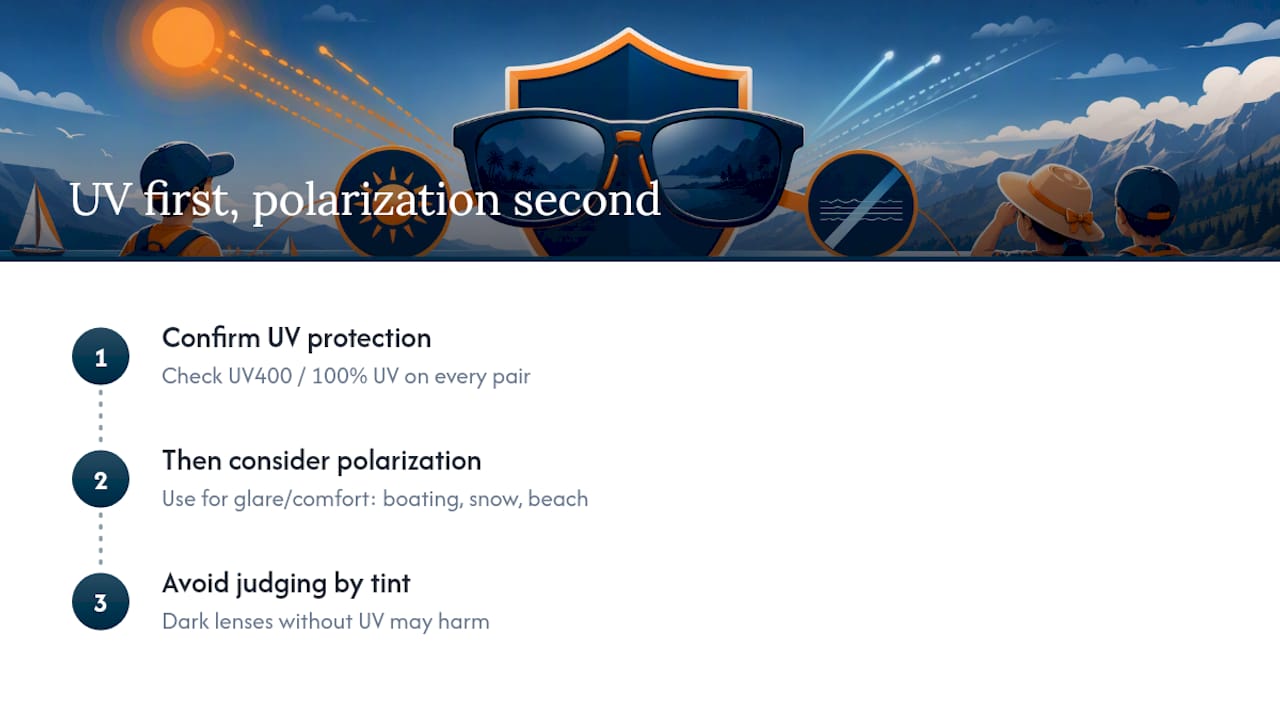
What the research actually supports is a two-step decision, not a single purchase. Confirm UV400 or 100% UV protection first, on every single pair, no exceptions. Only after that’s settled should glare, boating, snow, beach days, become the deciding factor for whether polarization earns a place on top.
Where conventional buying guides fall short is treating tint darkness as a proxy for safety. It isn’t, and a dark lens without a UV rating can genuinely do more harm than no sunglasses at all. Parents should read labels, not squint at lens color, before deciding a pair is “good enough” for their kids.
— Shari M. Murphy
Kids’ Sunglasses That Meet the UV and Fit Checklist
BANZ builds each pair of kids’ sunglasses to check the boxes covered above: confirmed UV400 protection, a secure wraparound fit, and polarization added only where it genuinely helps.
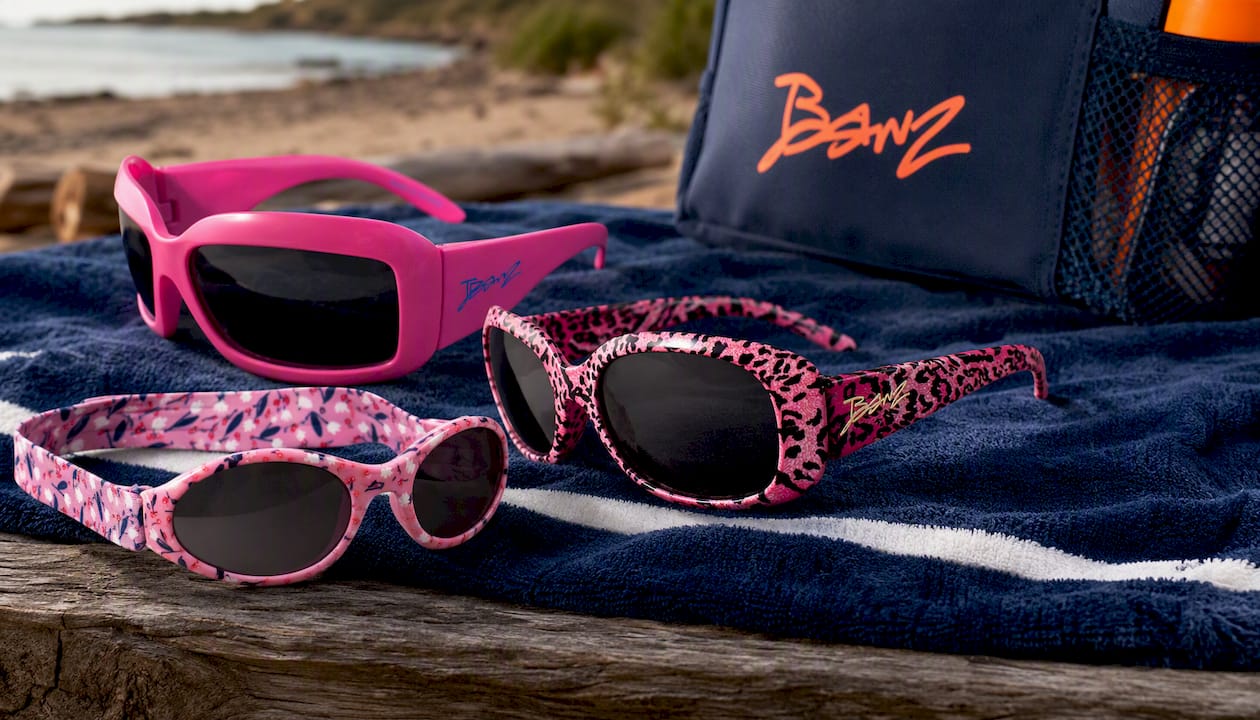
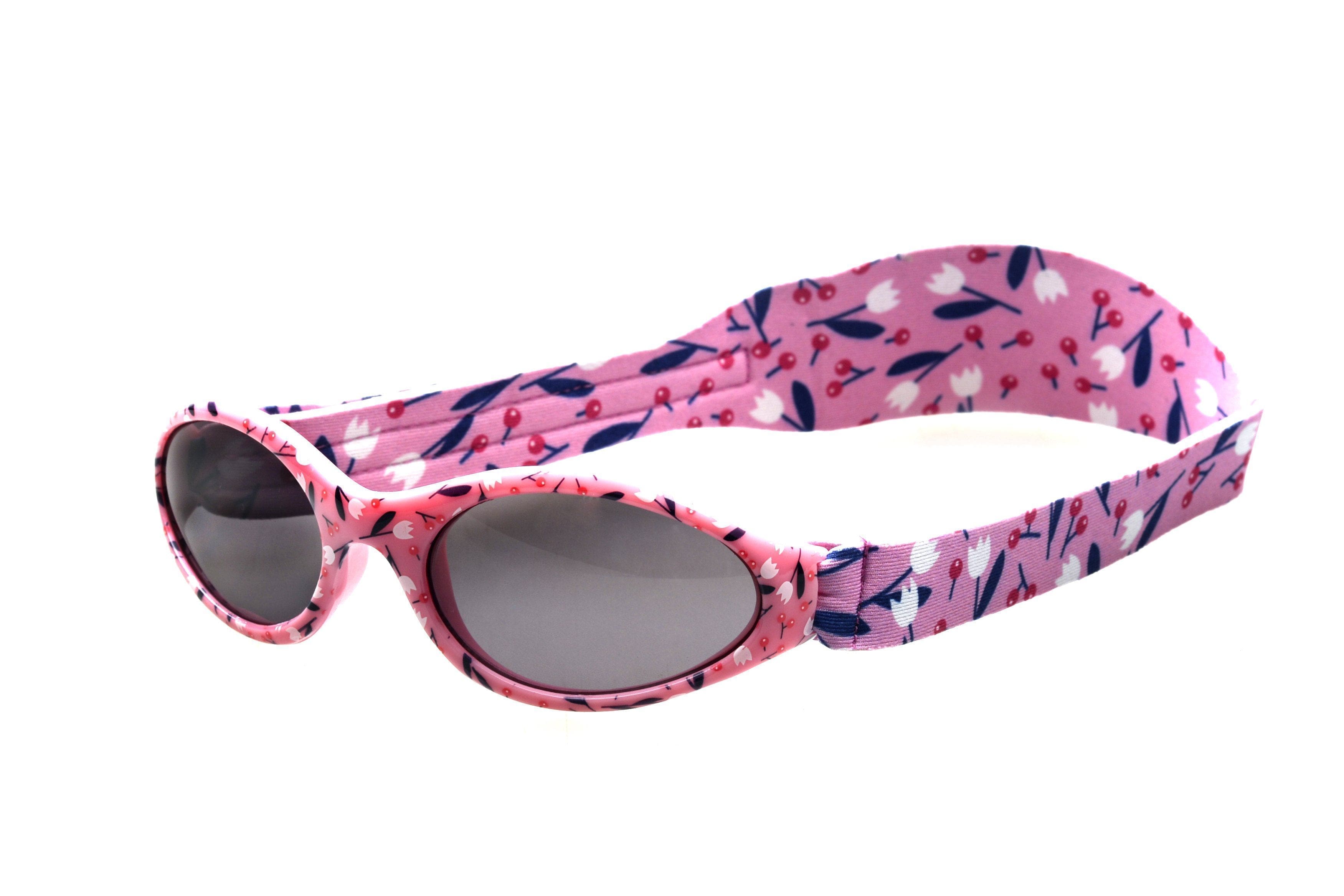
The Kids Wrap Around Sunglasses - Square style fits everyday wear, school pickup, backyard play, park afternoons, where UV400 protection alone is exactly what’s needed. For parents who want protection with a bit more personality, the Kids Wrap Around Sunglasses - Patterns deliver the same wraparound coverage in prints kids are more likely to actually keep on their face.
For toddlers headed to the beach, lake, or pool, the Toddler Wrap Around Sunglasses - Bubzee Polarized Wrap Around combine UV400 blocking with polarization in one pair, matching the exact scenario where glare reduction earns its place alongside UV protection. Every style uses a secure wraparound frame designed to limit the peripheral UV exposure that standard frames miss.
Shop the full BANZ sunglasses collection to find the fit and coverage that matches how your family actually spends time outdoors this year.
This article is general information, not a substitute for advice from a qualified doctor. Consult a qualified healthcare professional about your own circumstances before acting on anything here.
Sources
- How to choose the best sunglasses to avoid sun damage - American Academy of Ophthalmology
- Polarized sunglasses and UV sunglasses - VSP