

Keep your child’s average daily sound exposure at or below 70 dB, and avoid repeated exposure at or above 85 dB without hearing protection. If you have to raise your voice to talk at arm’s length, or your child complains of ringing after an event, the noise has already crossed the line, as explained in Air Conditioner Noise NSW: What Homeowners Must Know. Sources like WHO, OSHA, and NIDCD back this threshold, and hearing protection earmuffs give you a fast, practical fix for the moments you can’t control the volume.
TL;DR:
- Keeping daily sound exposure at or below 70 dB is recommended, but exposure above 85 dB without protection can cause lasting hearing damage.
- Common loud sources like headphones at maximum volume, stadiums, and fireworks can reach 95 to over 110 dB, risking damage in minutes.
- Signs of hearing risk include ringing, muffled sounds, increased volume use, or delayed speech development, especially if lasting over a few days.
- Practical protection includes limiting device volume, scheduling breaks, choosing seats farther from loudspeakers, and using child-sized earmuffs for loud events.
- Using a sound level meter or smartphone app helps monitor noise, with repeated readings above 85 dB signaling the need to act immediately.
Table of Contents
- What Counts as a Safe Decibel Level for Kids?
- How Loud Are Everyday Sounds? Common Sources Ranked
- Signs Your Child’s Hearing May Be at Risk
- Practical Ways to Protect Kids From Loud Noise Today
- How to Measure Decibels Around Your Kids
- Building Hearing-Safe Habits at Home
- BANZ Resources That Help Parents Act on This
- A Parent’s Take on Noise and Prevention
- Protect Their Hearing at the Source, Not After the Damage
- Sources
- FAQ
What Counts as a Safe Decibel Level for Kids?
Decibels measure sound intensity on a logarithmic scale, so the jump from 80 dB to 90 dB isn’t a small step. It’s a tenfold increase in sound energy. The “dBA” label you’ll see on noise apps and meters means the measurement is weighted to match how human ears perceive pitch, which is the standard used in hearing-health guidance.
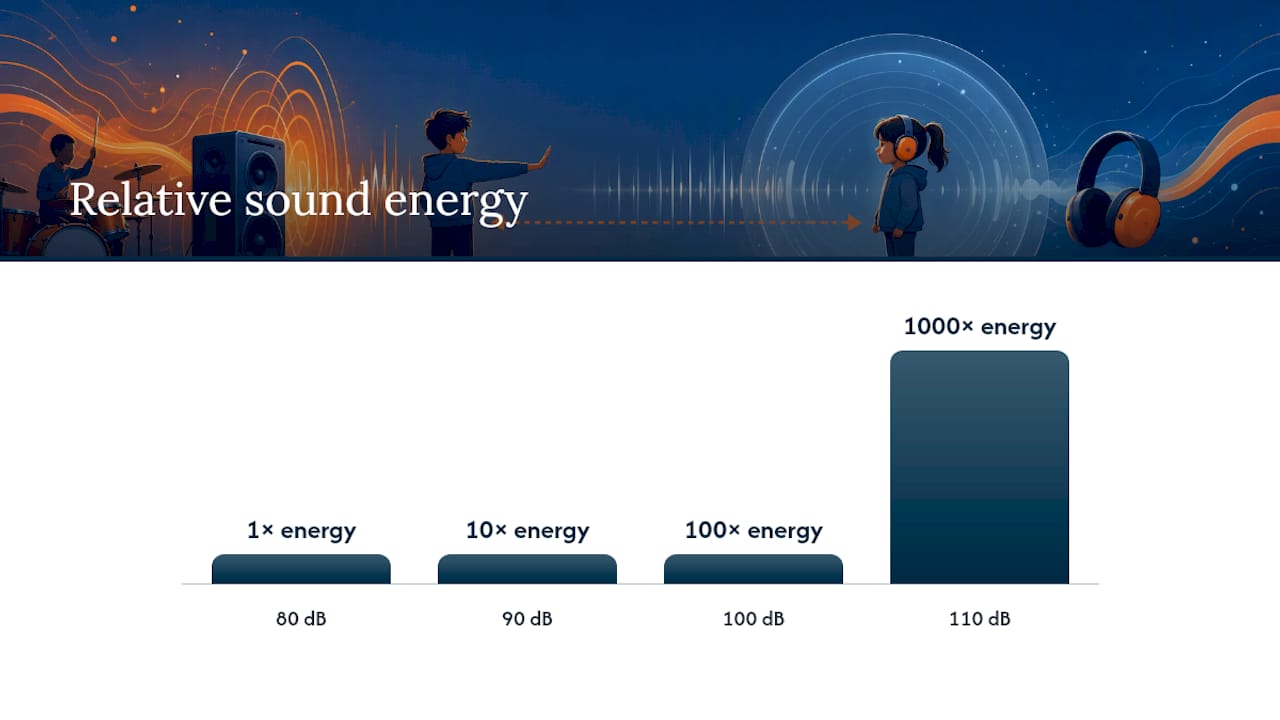
OSHA sets the general danger line at 85 dBA, the point where hearing loss risk starts climbing and safe exposure time starts shrinking fast. Below that, sound is generally considered safe for long-term listening. Above it, every added decibel cuts your safe exposure window roughly in half.
The WHO exposure-time chart puts real numbers on this:
- 80 dB: a safe listening time consistent with occupational safety guidelines
- 90 dB: a significantly shorter safe listening time
- 100 dB: short durations advised due to increased risk
- 110 dB and up: exposure should be limited to very brief periods
Quick fact: WHO recommends keeping average daily sound exposure near or below 70 dBA whenever possible, a stricter target than the 85 dBA danger threshold, built in as a margin of safety.
Kids aren’t just smaller versions of adults when it comes to noise. Their ear canals are shorter, which changes how sound waves resonate, and their auditory systems are still developing. Damage from noise is cumulative, meaning a loud weekend of fireworks and a loud commute in the car seat can stack up into a real weekly “noise dose” even if no single event felt extreme.
How Loud Are Everyday Sounds? Common Sources Ranked
Most parents have no idea how loud ordinary life gets until they compare it to a chart. Here’s where familiar sounds typically land:
- Normal conversation: 60 to 70 dB
- Television at home volume: 60 to 75 dB
- Vacuum cleaner: 70 to 80 dB
- Lawnmower or leaf blower: 85 to 100 dB
- Headphones at max volume: 94 to 110 dB
- Concerts and sporting events: 95 to 110 dB
- Fireworks up close: 140 dB or higher
The two that catch families off guard most often are headphones and stadium events. Personal listening devices can exceed 110 dBA at maximum volume, loud enough to cause damage in minutes, not hours. Youth sports games and school assemblies with amplified sound can quietly drift into the 95 to 100 dB range without anyone noticing until a kid is holding their ears.
Fireworks and sirens produce very loud, brief noise spikes that can cause immediate, permanent hearing damage despite their short duration.
Signs Your Child’s Hearing May Be at Risk
Catching damage early starts with a few habits, not a diagnosis.
- Listen for ringing or buzzing. If your child mentions a ringing sound (tinnitus) after a loud event, treat it as a warning sign, not something that just goes away.
- Watch for muffled hearing. A child who says sounds seem “underwater” or asks people to repeat themselves right after a noisy outing may have temporary or lasting damage.
- Notice volume creep. If your child keeps turning the TV or tablet louder over weeks, their hearing may already be adjusting to compensate for loss.
- Track speech development. In toddlers, delayed speech or inconsistent response to sound can sometimes trace back to hearing issues, not just developmental pace.
- Run the arm’s-length test. If you can’t hold a normal conversation at arm’s length without raising your voice, the environment is too loud, full stop.
Any of these signs lasting more than a day or two is worth a call to your pediatrician, who can refer you to a pediatric audiologist for a proper hearing test. Don’t wait for it to resolve on its own.
Practical Ways to Protect Kids From Loud Noise Today
Volume and time come before gear. Cut exposure first, then add protection for the situations you can’t avoid.
- Cap device volume. Set phones and tablets to limit output around 60% of max, or use built-in parental volume controls.
- Choose speakers over headphones for young kids whenever the setting allows it.
- Schedule listening breaks. A 15-minute quiet break every hour of screen or headphone time gives ears a chance to recover.
- Pick seats wisely at loud events. Sit farther from speakers at concerts, games, and shows.
- Limit fireworks exposure. Watch from a distance, or skip the closest viewing spots entirely.
- Teach kids to self-report. Give them permission to ask for a break or step outside when something feels too loud.
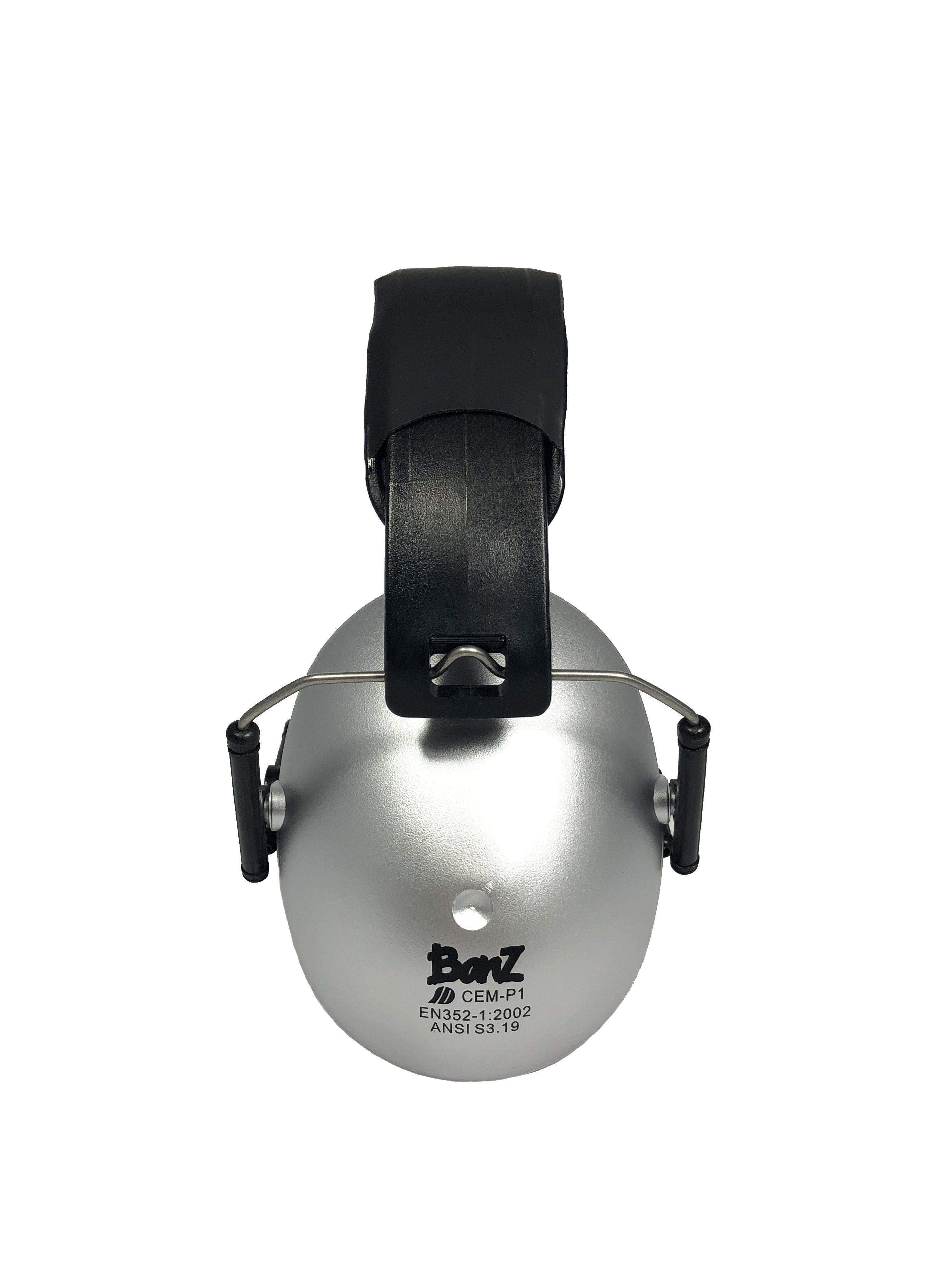
For events you know will exceed safe levels, like fireworks, motorsports, or concerts, child-sized earmuffs are the more reliable choice over earplugs. Toddlers and young kids struggle to insert plugs correctly, and adult-sized earmuffs simply don’t seal against a smaller head, which quietly defeats the whole purpose.
Pro Tip: Combine all three layers for the best protection: lower the source volume when you can, build in listening breaks, and pack properly fitted earmuffs for anything you can’t control. No single strategy covers every situation, but stacking them does.
How to Measure Decibels Around Your Kids
A calibrated sound level meter gives the most accurate reading, but a smartphone app works fine for a rough gut check. Phone microphones aren’t calibrated the way dedicated meters are, so treat app results as an estimate, not a lab-grade number.
To get a useful reading:
- Hold the phone near your child’s ear height, not your own.
- Sample for 30 to 60 seconds rather than a single instant.
- Note both the average dBA and any peak spikes, since a short spike can be more dangerous than a sustained average.
- If a space regularly reads above 85 dB, that’s your cue to act, whether that means moving, protecting ears, or leaving.
If you’re regularly checking noise at concerts, job sites, or home renovation projects, a standalone meter is worth the investment over relying on an app long-term.
Building Hearing-Safe Habits at Home
Kids pick up on what you model far more than what you tell them. If you crank the TV and never explain why, “turn it down” doesn’t stick.
- Narrate your own choices out loud: “I’m turning this down because it’s loud for our ears.”
- Turn quiet breaks into a small ritual, like a five-minute silent snack after a noisy activity.
- Use visual cues, like a stoplight chart, to help younger kids understand “loud” versus “safe” without needing a decibel number.
- Rotate in quieter family activities on weeks when noisy events (games, parties, fairs) stack up.
Small, repeated habits do more for long-term hearing health than a single rule enforced once and forgotten.
BANZ Resources That Help Parents Act on This
BANZ builds tools around exactly this problem, starting with the free BANZ Protect app for real-time UV and noise monitoring, so you’re not guessing at a concert or a fair.
- Free downloadable family hearing safety resources, including NIH Noisy Planet materials
- A step-by-step prevention guide for building safe-listening habits at home
- Child-sized earmuffs rated NRR 26dB, sized for pediatric ears.
- A style guide to match fit and style to your child’s age and the event
If your child needs earmuffs just to tolerate a room, that’s often a sign the room itself is too loud, and removing them from the space is the better move when it’s feasible.
A Parent’s Take on Noise and Prevention
Hearing damage doesn’t announce itself. It shows up gradually, in a kid who talks louder than they used to or stops responding the first time you call their name. That’s what makes prevention different from most parenting advice: you don’t get a dramatic warning sign, you get a slow drift you might not notice until it’s already done.
Two habits are worth adopting this month. First, measure one noisy event you’d normally shrug off, a birthday party, a school gym, a car with the radio up. Second, keep a pair of properly fitted earmuffs in your bag for anything loud you can’t predict. Neither takes real effort, and both close the gap between knowing the threshold and actually acting on it.
— Shari M. Murphy
Protect Their Hearing at the Source, Not After the Damage
BANZ makes the gap between “knowing the safe decibel level” and “actually protecting your kid at the fireworks show” disappear, with earmuffs built for a child’s head instead of a shrunken adult design.
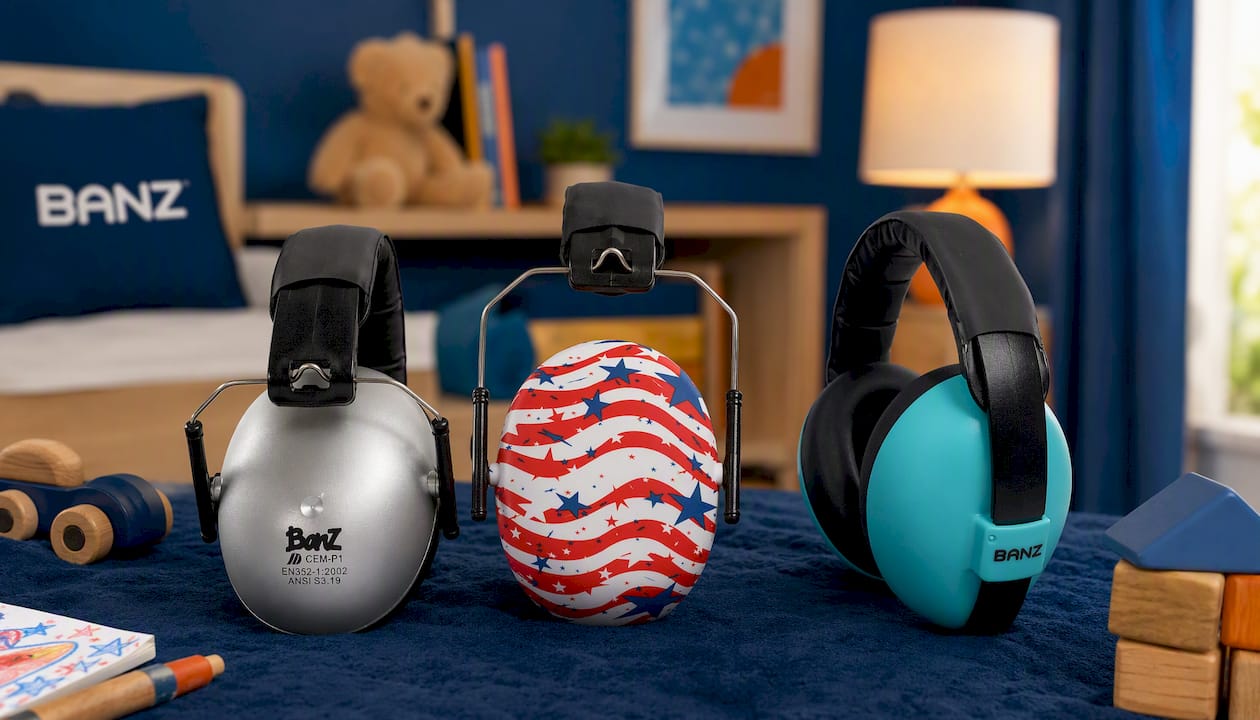
The Kids Hearing Protection Earmuffs in solid colors carry an NRR of 26dB and fit toddlers through school-age kids who need reliable attenuation without a bulky adult shape pressing on growing ears. If your child prefers something more fun for concerts or games, the printed kids earmuffs offer the same protection with designs kids actually want to wear. For infants who can’t yet self-report discomfort or ringing, the baby hearing protection earmuffs give the smallest ears a proper seal at fireworks, air shows, or loud family gatherings.
Not sure which size or style fits your situation? Visit the ask-an-expert page for guidance, then shop the earmuffs collection and get a pair packed before your next loud event.
Sources
- Occupational Safety and Health Administration (OSHA) - Noise
- NIDCD - Protect Your Child’s Hearing
- WHO - new standard to tackle rising threat of hearing loss
This article is general information, not a substitute for advice from a qualified doctor. Consult a qualified healthcare professional about your own circumstances before acting on anything here.
FAQ
Is 94 dB Too Loud for Kids?
Yes, for sustained exposure. At 94 dB, WHO exposure-time guidance allows only about an hour or two per week before risk climbs, and headphones at max volume commonly hit this range.
Is 85 dB Safe for Kids?
85 dB is the threshold where OSHA and NIDCD recommend hearing protection, not a level considered fully safe for unlimited exposure. Below 85 dB with sensible time limits is generally fine; at or above it, limit exposure or use earmuffs.
Is 70 dB Sound Safe?
Yes, 70 dB and below is generally considered safe for long-term daily exposure, and it’s the level WHO suggests as a target average for daily sound where possible.
Is 40 dB Too Loud to Sleep?
No, 40 dB is roughly the volume of a quiet room or a whisper and falls well within safe ranges for sleep, far below any threshold linked to hearing risk.
How Do I Know if a Noisy Event Is Too Loud for My Child?
Use the arm’s-length test: if you have to raise your voice to be heard by someone standing an arm’s length away, the environment has crossed into risky territory, and it’s time for a child-sized earmuff or a change of location.