

Yes, children can get sunburned through some clothing, and it happens more often than most parents realize. Some fabrics let far more ultraviolet radiation reach the skin than a label or color might suggest. UPF 50+ fabric blocks about 98% of UV rays, but plenty of everyday t-shirts and cover-ups offer only a fraction of that protection. If your child ends up red or tender under a shirt, get them into shade immediately and start basic first aid.
TL;DR:
- Fabrics with UPF 50+ block about 98% of UV rays, but many everyday children’s clothing, especially cotton T-shirts, can allow nearly 20% of UV through.
- Wet, stretched, or worn clothing significantly reduces UV protection, with wet fabrics transmitting more UV and tight fits opening weave gaps.
- A simple hand test held against bright light can quickly reveal if clothing provides insufficient UV coverage, emphasizing the importance of UPF 50+ labels.
- Proper sun protection involves layering UPF clothing, applying sunscreen correctly, and using accessories like hats and shade structures, especially during peak UV hours.
- Regular garments with no UPF or loose weaving offer false security, so parents should prioritize certified UPF 50+ clothing and routinely check for signs of sunburn under clothing.
Table of Contents
- Can Kids Get Sunburned Through Clothes? What UPF Actually Measures
- When Clothes Fail: Wet, Stretched, and Worn Fabric
- The Hand Test and Other Quick Shopping Checks
- A Layered Sun-Safety Checklist Parents Can Actually Follow
- If Your Child Gets Sunburned Anyway: What to Do Next
- How BANZ Helps Parents Close the Protection Gap
- UV Transmission Differences Between Cotton, Polyester, and Blends
- Spotting a Hidden Sunburn Under a Child’s Clothes
- Matching Clothing to the Activity and Time Outside
- The Gap Between What Sun-Safety Advice Says and What Parents Actually Do
- Shop UPF 50+ Hats and Swimwear That Actually Block UV
- Sources
Can Kids Get Sunburned Through Clothes? What UPF Actually Measures
UPF stands for Ultraviolet Protection Factor, and it tells you how much UV radiation a fabric lets through. A UPF 50 garment allows roughly 1/50th of UV rays to pass, which works out to about 98% blocked. A regular white cotton t-shirt, by contrast, often sits around UPF 5, meaning nearly 20% of UV rays reach the skin underneath. That gap is why a “covered” kid can still come home pink.
Several factors decide where a fabric lands on that scale:
- Weave tightness: a dense weave leaves fewer gaps for UV to slip through than a loose, breathable knit.
- Fiber and blend: polyester and certain synthetic blends tend to block UV more consistently than 100% cotton.
- Color and dye: darker, more saturated colors generally absorb more UV than pale pastels or white.
- Fabric weight: heavier, denser material blocks more than thin, gauzy summer fabrics.
UPF 50+ fabric blocks roughly 98% of UV radiation, while an ordinary cotton tee can let through nearly 20%. That’s not a marketing number. It’s the difference between a garment engineered for sun exposure and one that just happens to cover skin. Certified UPF labeling accounts for all these variables together, so it’s a far more reliable signal than guessing based on fiber type or color alone. Our UPF 50 protection guide breaks down what those labels actually guarantee.
When Clothes Fail: Wet, Stretched, and Worn Fabric
Clothing that protects well when dry and new can lose much of that protection under ordinary conditions. Water is the biggest culprit. Wet, saturated fabric transmits significantly more UV than the same garment dry, which is exactly why a child in a swim shirt can still burn at the pool or beach if that shirt stays damp for hours.
Stretching matters too. A snug swimsuit or a t-shirt pulled tight across a growing kid’s shoulders opens up the weave, creating tiny gaps that let more UV through than the same fabric worn loose.
Watch for these common failure points:
- Wet or saturated swimwear and rash guards, especially after repeated dunking.
- Stretched-out or tight-fitting garments that pull the weave apart.
- Faded, worn, or thinning fabric from years of washing and sun exposure.
- Sheer or lightweight summer fabrics you can partly see through.
Pro Tip: Apply sunscreen under swimwear before your child gets in the water, and reapply as soon as they towel off. Wet fabric is one of the most overlooked gaps in kids’ sun protection, and it catches even careful parents off guard.
The Hand Test and Other Quick Shopping Checks
You don’t need a lab to spot a weak garment. Hold the fabric up to a window or a bright lamp. If you can clearly see your hand or light through it, UV rays are getting through too, and that piece needs a sunscreen backup or a swap for something denser.
Beyond the quick check, a few habits make shopping faster and more reliable:
- Look for a UPF 50+ label, not just “sun protective” marketing language with no rating attached.
- Check the care tag. Some UPF treatments degrade with repeated washing or high heat drying, so follow the manufacturer’s instructions closely.
- Prioritize coverage over cuteness. Long sleeves, higher necklines, and longer torso length matter more than fashion details.
- Confirm the fit isn’t stretched tight across the chest or shoulders, since a snug fit can thin out the weave.
- Pair clothing with a wide-brim hat and UV-blocking sunglasses, since fabric alone never covers the face, ears, or eyes.
Coverage and fit consistently beat fiber type as predictors of real-world protection. A wide-brim sun hat does more for a child’s face and neck than any shirt fabric decision ever will.
A Layered Sun-Safety Checklist Parents Can Actually Follow
No single product handles sun protection alone. Pediatric guidance consistently points to layering: UPF clothing, sunscreen, shade, and timing working together, not any one of them carrying the full load.
UV rays can penetrate cloud cover substantially, so a gray sky does not eliminate the need for sun protection. Check the UV Index before heading out; a reading of 3 or higher means full protection measures are worth using, even on a mild-looking day.
Here’s the order that actually works:
- Put UPF 50+ clothing on covered areas first. This is your baseline, not your backup plan.
- Apply broad-spectrum SPF 30+ sunscreen to every inch of exposed skin, 15 to 30 minutes before heading outside.
- Reapply sunscreen every two hours, and immediately after swimming or heavy sweating.
- Add a wide-brim hat and UV-blocking sunglasses for the face, ears, and eyes that clothing doesn’t reach.
- Bring portable shade, an umbrella, or a pop-up tent for breaks, especially at the beach or pool.
- Schedule outdoor play outside the 10 a.m. to 4 p.m. window when UV intensity peaks.
Babies need extra caution. Pediatric guidance recommends keeping infants under 6 months out of direct sun when possible, dressing them in lightweight full-coverage clothing, and using only minimal sunscreen on exposed skin as your doctor advises. Our complete parent’s guide to UV protection walks through age-specific adjustments in more detail.
If Your Child Gets Sunburned Anyway: What to Do Next
Move your child out of the sun immediately and keep them indoors or shaded until the skin heals. Apply cool, damp compresses to the burned area, offer extra water, and cover the burn loosely with soft clothing rather than anything tight or rough.
Watch for warning signs that call for professional care:
- Extensive blistering across a large area of skin.
- Fever, chills, or signs of dehydration following sun exposure.
- Severe pain that doesn’t ease with basic comfort measures.
- Any sunburn on an infant under 1 year old, even a mild one, warrants a call to the pediatrician.
Over-the-counter pain relief like children’s acetaminophen or ibuprofen can help with discomfort, dosed according to your pediatrician’s guidance for your child’s age and weight. Skip creams with benzocaine or other numbing agents on infants, since these can irritate sensitive skin further. If a sunburn isn’t improving within a few days, a follow-up visit is worth scheduling.
How BANZ Helps Parents Close the Protection Gap
BANZ started in Australia when a family couldn’t find sun and hearing protection gear that actually worked for their own kids, so they built it themselves. That origin still shapes every UPF 50+ hat and swimsuit in the current lineup, now trusted by over 2 million families across six continents.
A few ways that shows up in practice:
- UPF 50+ hats and swimwear reduce the exposed-skin area that sunscreen alone has to cover.
- The free BANZ Protect app gives real-time UV Index readings, helping you decide when shade and full coverage matter most.
- Product resources link back to authoritative sources like the AAP, EPA, and CDC rather than vague marketing claims.
This article’s editorial perspective comes from Shari M. Murphy, whose take on where conventional sun-safety advice falls short follows below.
UV Transmission Differences Between Cotton, Polyester, and Blends
Fabric type alone doesn’t determine sun safety, but it’s a meaningful piece of the puzzle. Research on summer clothing found that many garments test below UPF 15, and 100% cotton is frequently among the weaker performers when woven loosely for breathability.

Polyester tends to hold up better than cotton at similar weights, partly because synthetic fibers scatter and absorb UV more effectively at a molecular level, and partly because polyester weaves used in activewear and swimwear are often tighter by design. Blended fabrics, combining cotton with polyester or spandex, frequently land in the middle or even outperform pure cotton, since the synthetic component compensates for gaps in the natural fiber’s weave.
This doesn’t mean cotton is off-limits for summer clothes. A heavyweight, tightly woven cotton shirt can still perform reasonably well. But if you’re comparing two garments with no UPF label, a densely woven synthetic blend is generally the safer bet over a loose, gauzy cotton alternative. The safest approach skips the guesswork entirely: buy pieces with a certified UPF 50+ rating, where the fiber content has already been tested rather than assumed.
Laundry additives designed to boost UV protection exist for regular clothing, and manufacturer claims suggest they can raise UPF for a limited number of washes, often cited around 20. That’s a reasonable stopgap for existing wardrobe items, but it’s a temporary fix, not a substitute for garments built with UPF in mind from the start.
Spotting a Hidden Sunburn Under a Child’s Clothes
Sunburn under clothing often hides in plain sight because the fabric masks the early redness that would otherwise catch your eye. Check your child’s skin at bath time or during a clothing change, not just at the beach, especially after long days outside in thin or stretched garments.
Look for these signs, which tend to appear in the hours after exposure rather than immediately:
- Redness or pink tone in a pattern that matches the garment’s shape, sometimes with sharper lines where a sleeve or collar ended.
- Warmth to the touch across a specific area, even without obvious color change on a child with darker skin.
- Tenderness or pain when you touch the area or when clothing rubs against it.
- Small bumps or a rash-like texture, which can sometimes be mistaken for heat rash rather than sun damage.
- Peeling skin a few days later, a delayed sign that sun exposure occurred even if it looked mild at the time.
Sunburn severity often builds over several hours, so a child who seems fine right after playing outside can show clear signs by dinnertime. Checking shoulders, the back of the neck, and skin near sleeve and collar edges catches most cases early, since UV exposure through fabric tends to concentrate wherever the weave is thinnest or the fit is tightest.
Matching Clothing to the Activity and Time Outside
A quick trip to the mailbox and a full day at a soccer tournament call for different levels of protection, and matching your choice to the activity keeps kids comfortable without cutting corners on safety.
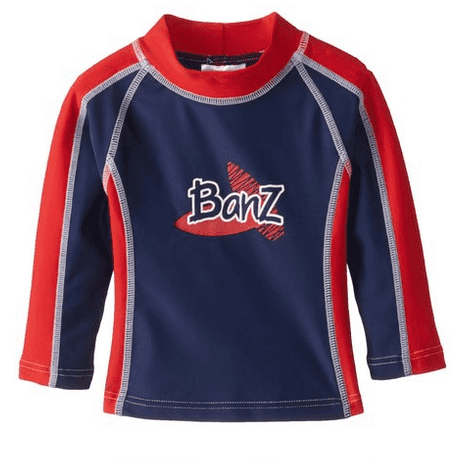
For short outings under 30 minutes, lightweight UPF-rated clothing with sunscreen on exposed skin is usually enough, since cumulative UV exposure stays low. For half-day activities like a park visit or a swim lesson, step up to full UPF 50+ coverage, including sleeves, along with a hat and reapplied sunscreen at the halfway mark.
Full-day events, tournaments, beach trips, and camping, deserve the most complete setup: UPF 50+ long sleeves, a wide-brim hat, sunglasses, and a shade structure for breaks, paired with sunscreen reapplied every two hours regardless of how covered your child looks. Water-based activities need swim-specific UPF garments rather than repurposed cotton clothing, since regular fabric loses much of its protective value once soaked.
Even brief exposure adds up over a childhood. UV damage accumulates with each outing, which is exactly why routine habits, dressing appropriately before you leave the house rather than reacting once skin turns pink, matter more than any single sunscreen application.
The Gap Between What Sun-Safety Advice Says and What Parents Actually Do
Most sun-safety guidance treats clothing as a solved problem: put a shirt on your kid, check the box, move on. That’s the gap I keep coming back to. The research doesn’t support treating coverage as binary. A UPF 5 cotton tee and a UPF 50+ rash guard both count as “wearing a shirt,” yet one does almost nothing against UV and the other does almost everything.
What’s overrated is the assumption that any full-coverage outfit equals full protection. What’s underrated is the five-second hand test against a window, a habit that costs nothing and catches the weak garments before they ever leave the closet.
If I had to prioritize one change for parents, it wouldn’t be buying more sunscreen. It would be auditing the wardrobe first: swap the sheer beach cover-up and the stretched-out hand-me-down swim shirt for something UPF-rated, then layer sunscreen and shade on top. Clothing should be your first line of defense, not an afterthought you assume is already working.
— Shari M. Murphy
Shop UPF 50+ Hats and Swimwear That Actually Block UV
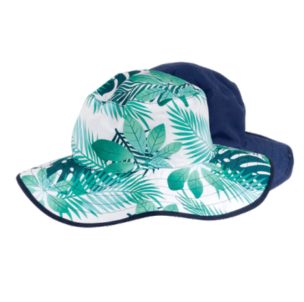
BANZ is built specifically to close the gap this article just walked through: real UPF 50+ coverage instead of clothing that merely looks protective. Our sun hats with a secure pocket closure and toggle-adjustable styles both carry certified UPF 50+ protection with a fit designed to stay put during active play, not just around the pool. For families who want coverage without sacrificing style, the Hello Sunshine sunhat adds sun protection kids will actually want to wear.
Before you buy, double check the size chart and care instructions on each product page. A hat that’s too loose loses its shade coverage, and one that’s too tight won’t stay on during a game of tag. If your outings also involve loud environments like fireworks, sporting events, or parades, pair that hat with our kids’ hearing protection earmuffs for coverage against both major outdoor risks in one trip. Browse the full collection of UPF 50+ hats and swim gear and get your child covered before the next trip outside.
Sources
- Can You Sunburn Through Clothes? The Answer May Surprise You — Healthline
- Healthychildren
- Study on summer textiles and UPF values — PMC
- UV Index — EPA